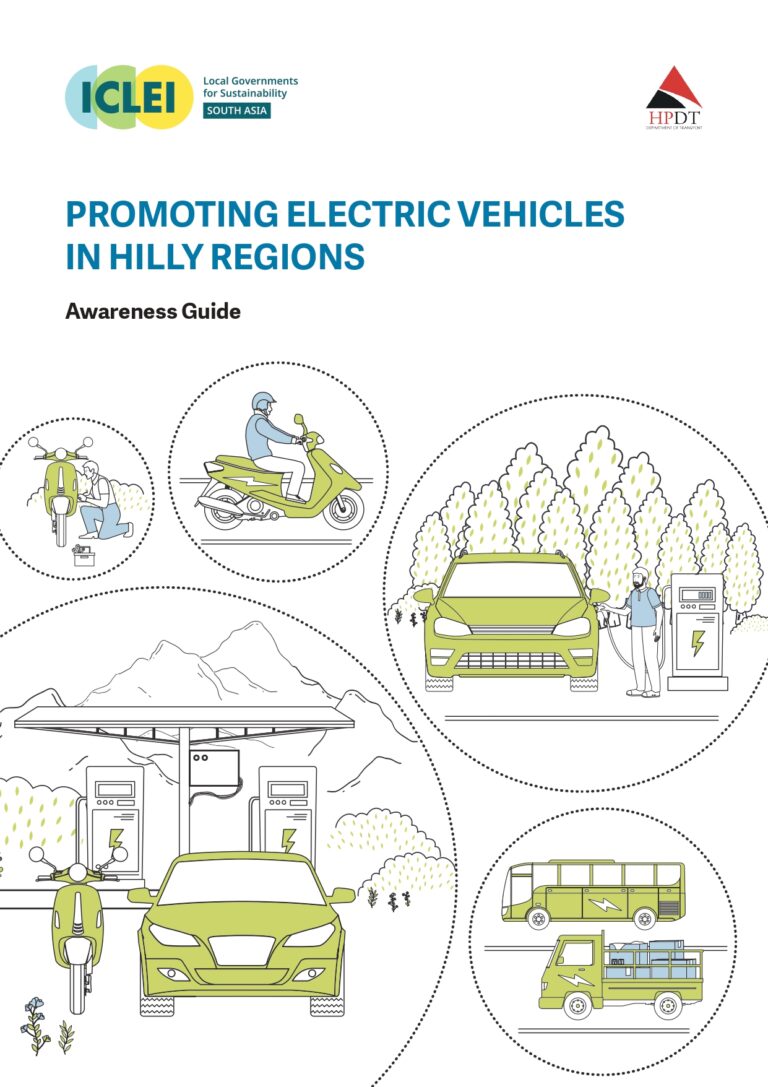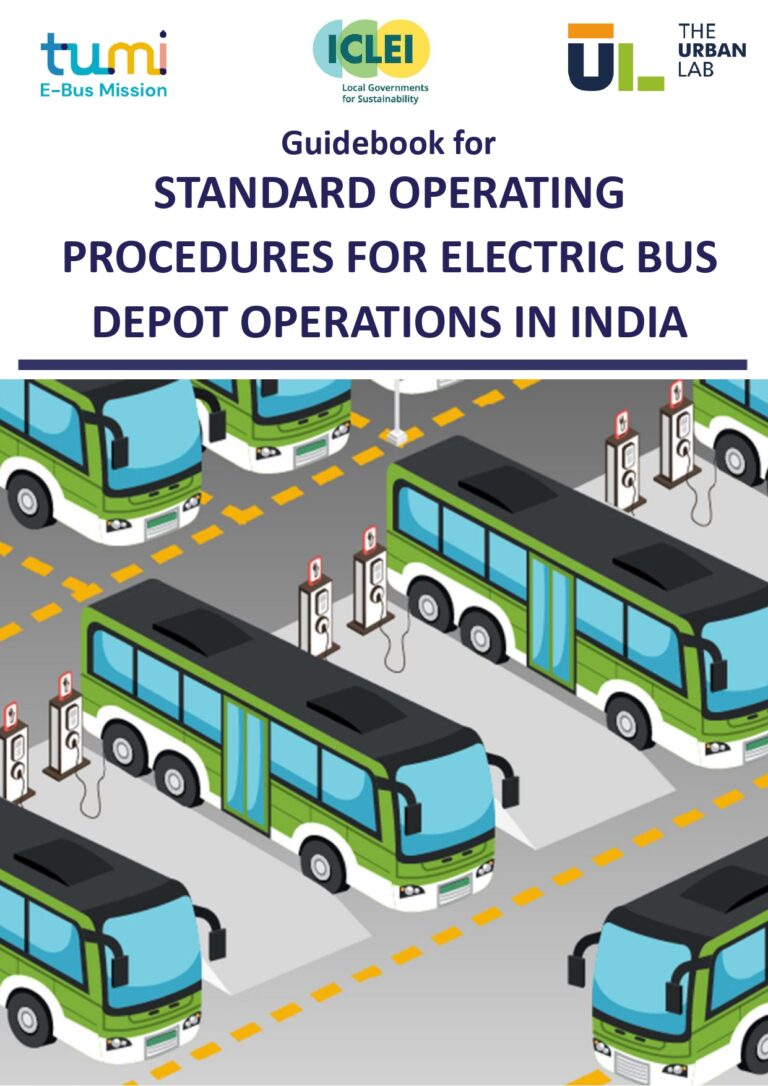

Explore technical manuals, guidelines, reports standards, policy documents, and operational toolkits related to electric vehicle deployment, charging networks, and transport planning in Himachal Pradesh.
This section provides official documents, data sets, and reference materials to support informed decision-making for users, operators, and stakeholders.
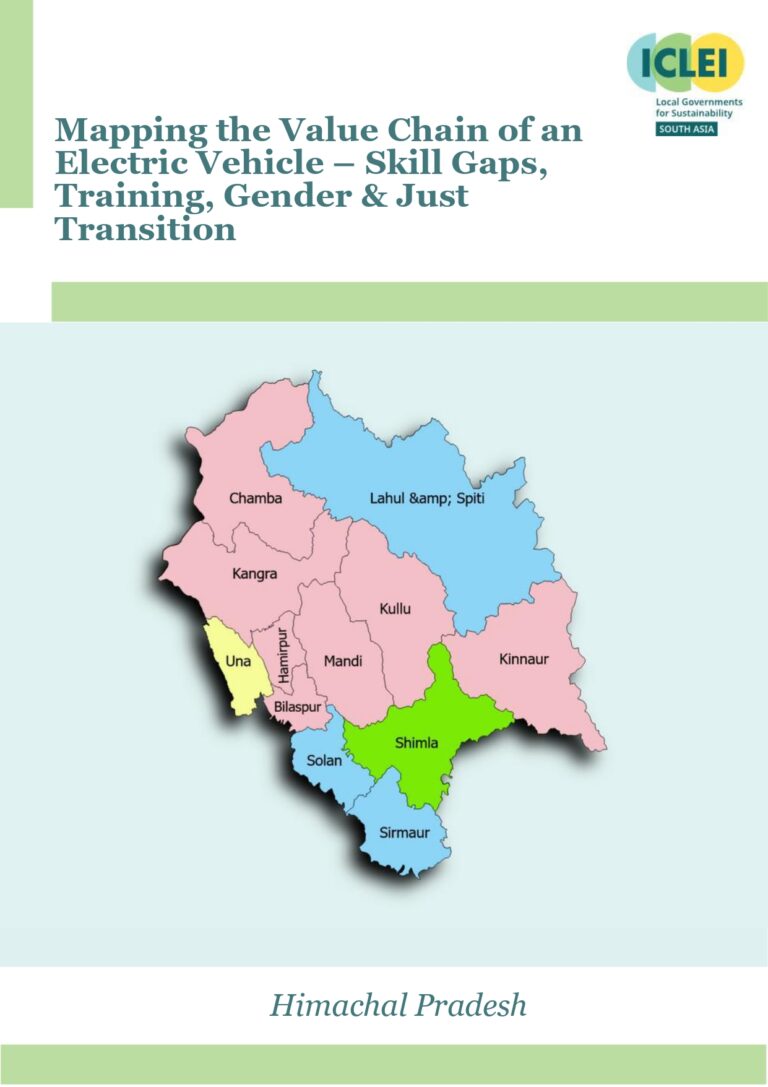
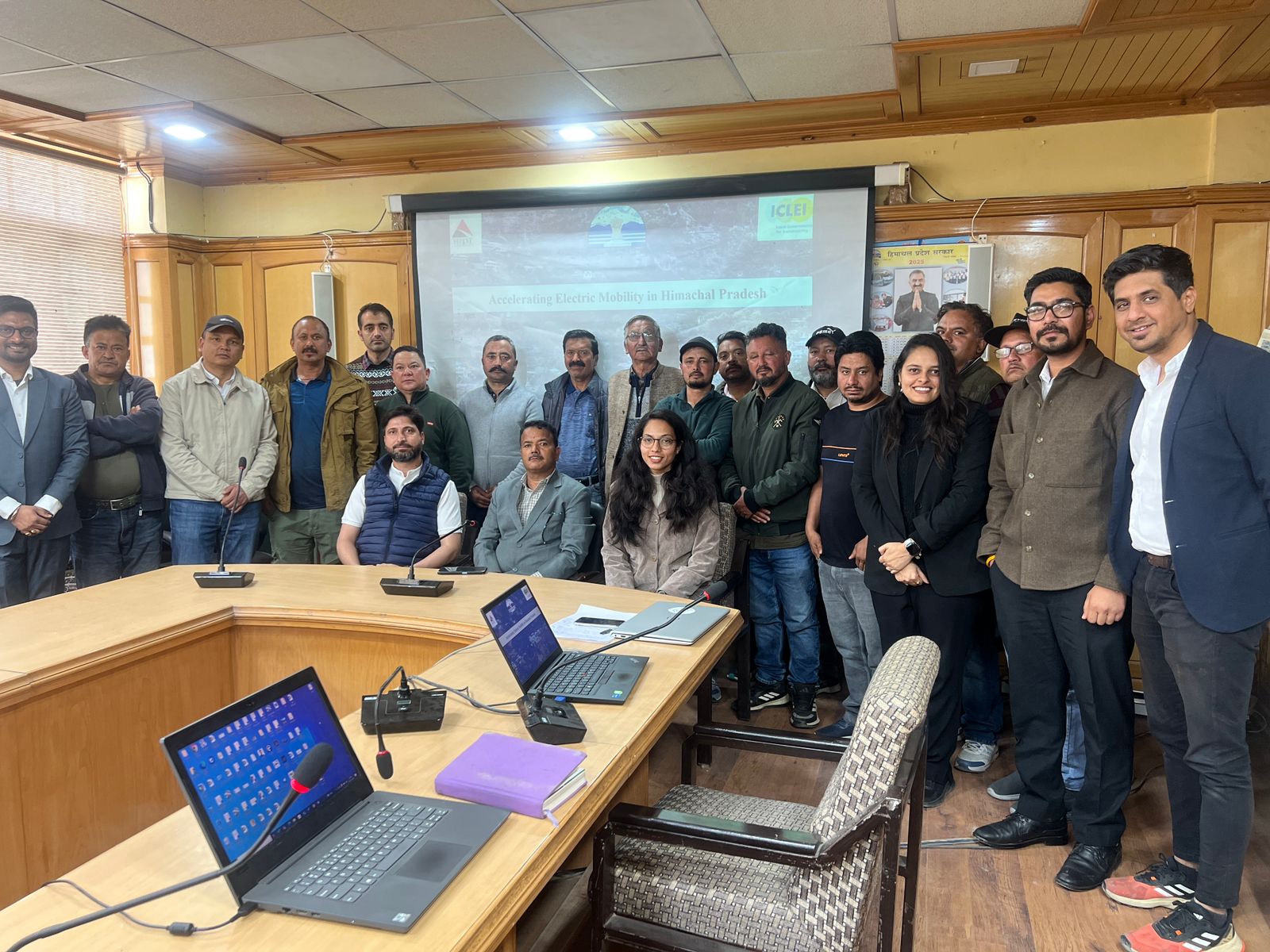
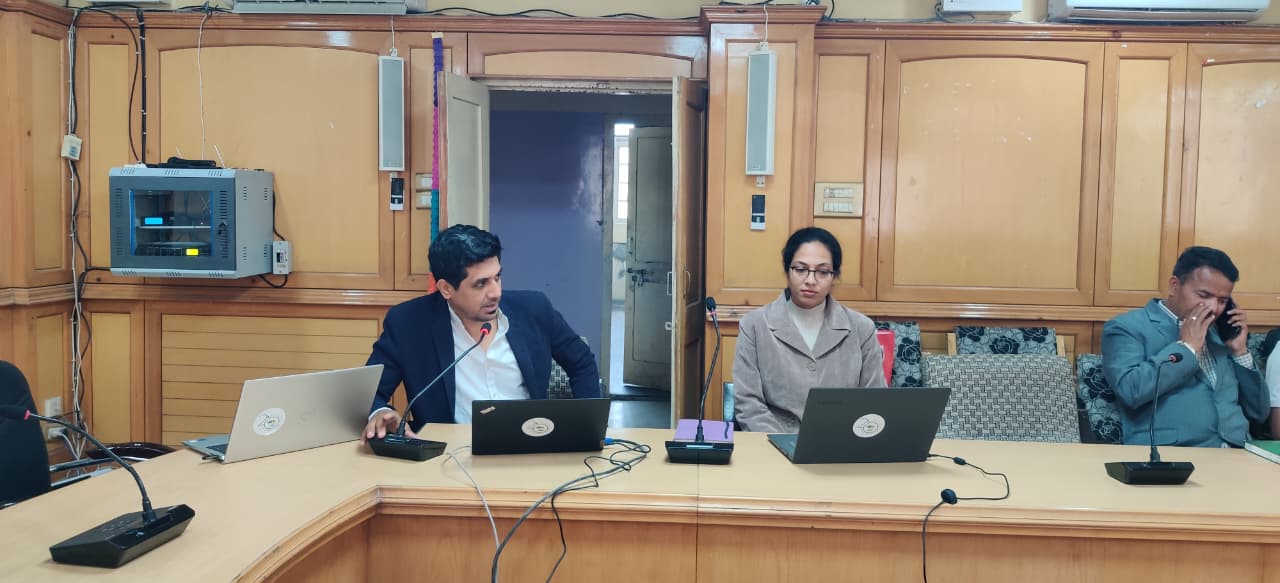
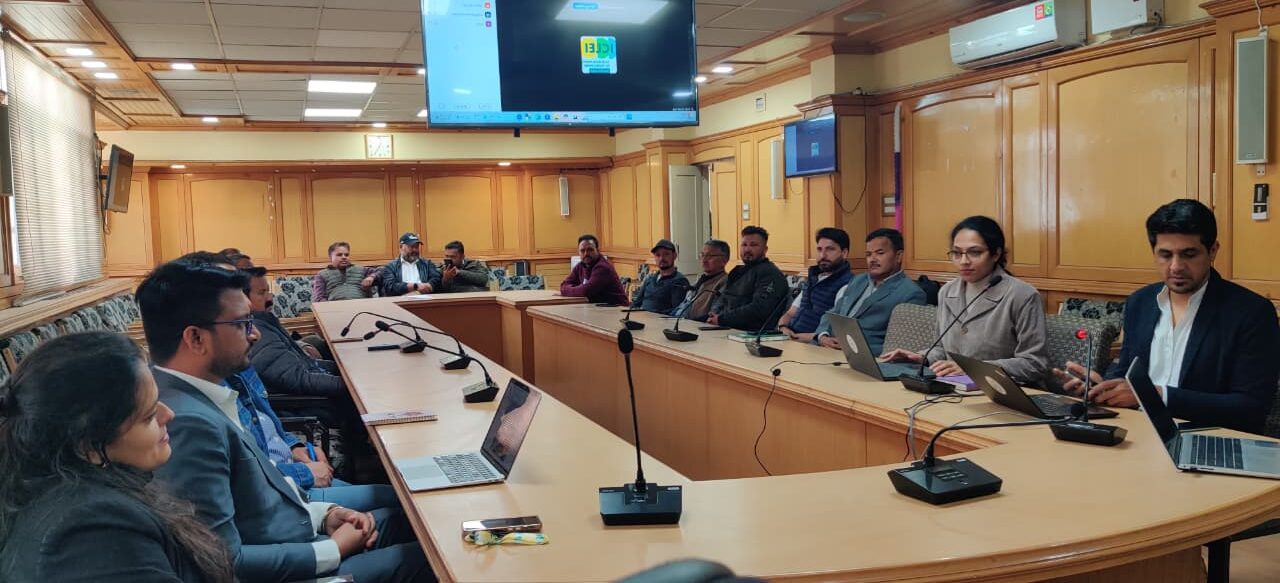
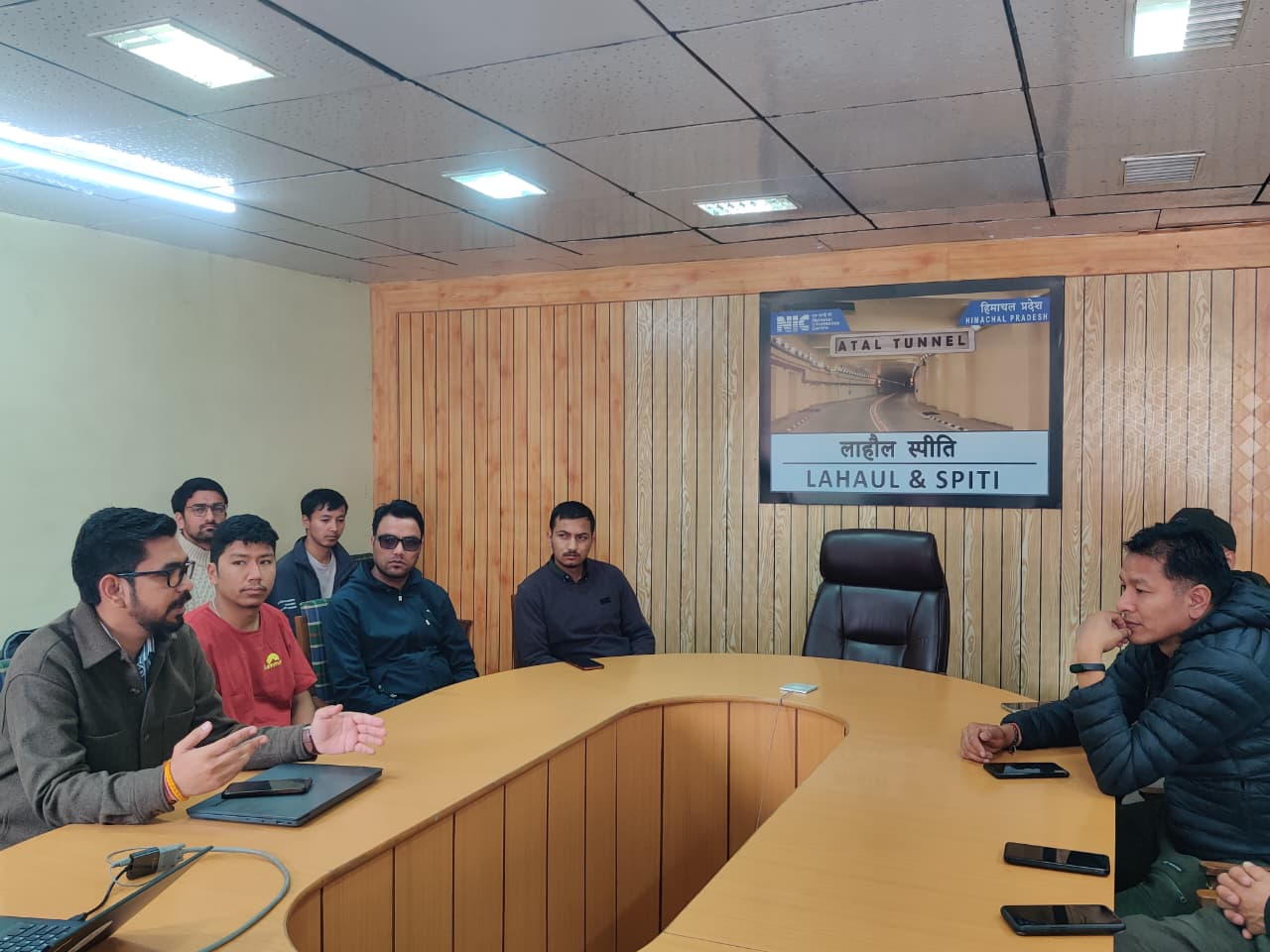
The Department of Transport, Government of Himachal Pradesh, in partnership with ICLEI South Asia, is scaling up electric mobility across the state through multi-stakeholder consultations, EV sensitisation workshops in key hill towns, and targeted capacity-building programmes for city officials, operators and the tourism and hospitality sector.
These efforts focus on improving local readiness for zero-emission vehicles, supporting corridor-based charging networks and hotel-based EV infrastructure, and building the technical skills needed to plan, implement and manage e-mobility projects, accelerating Himachal’s shift toward cleaner, more sustainable transport.
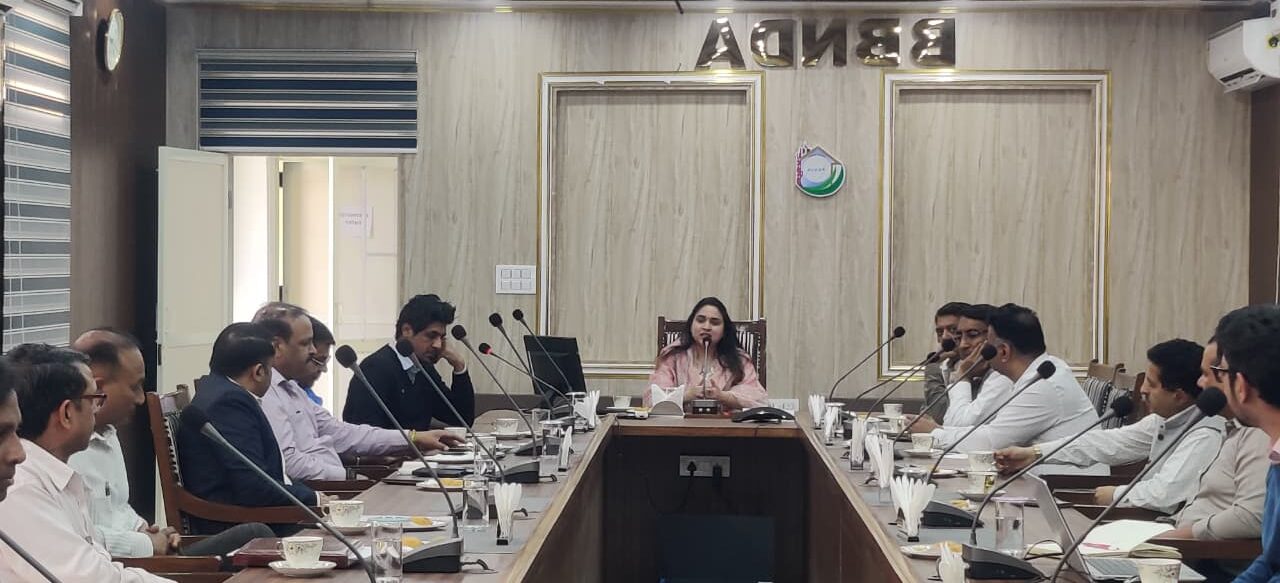
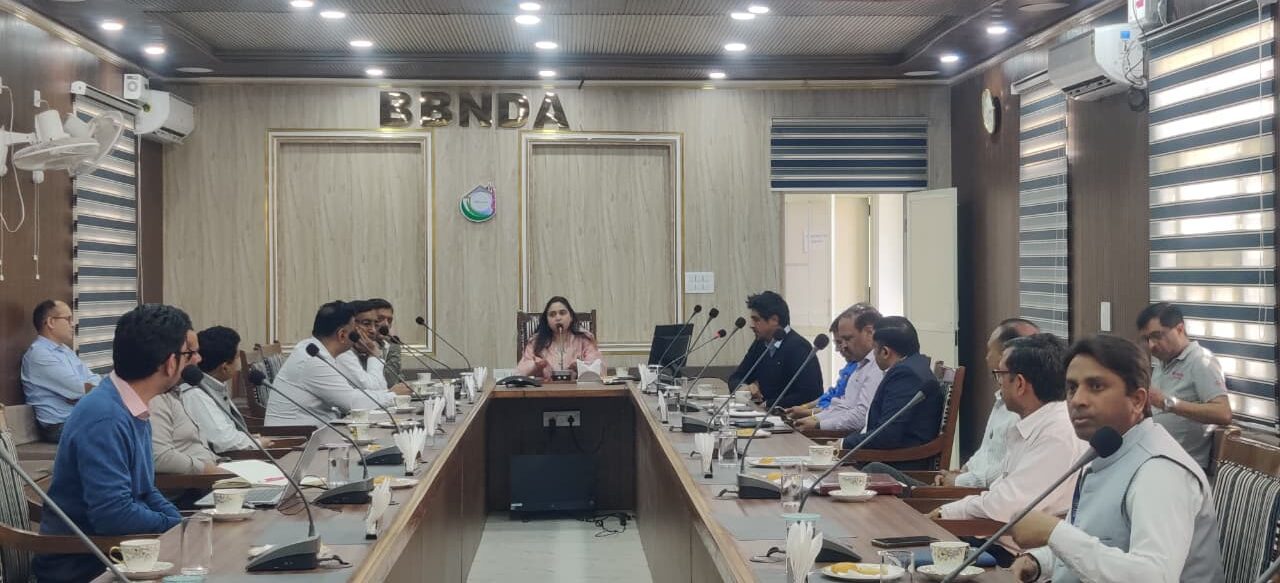
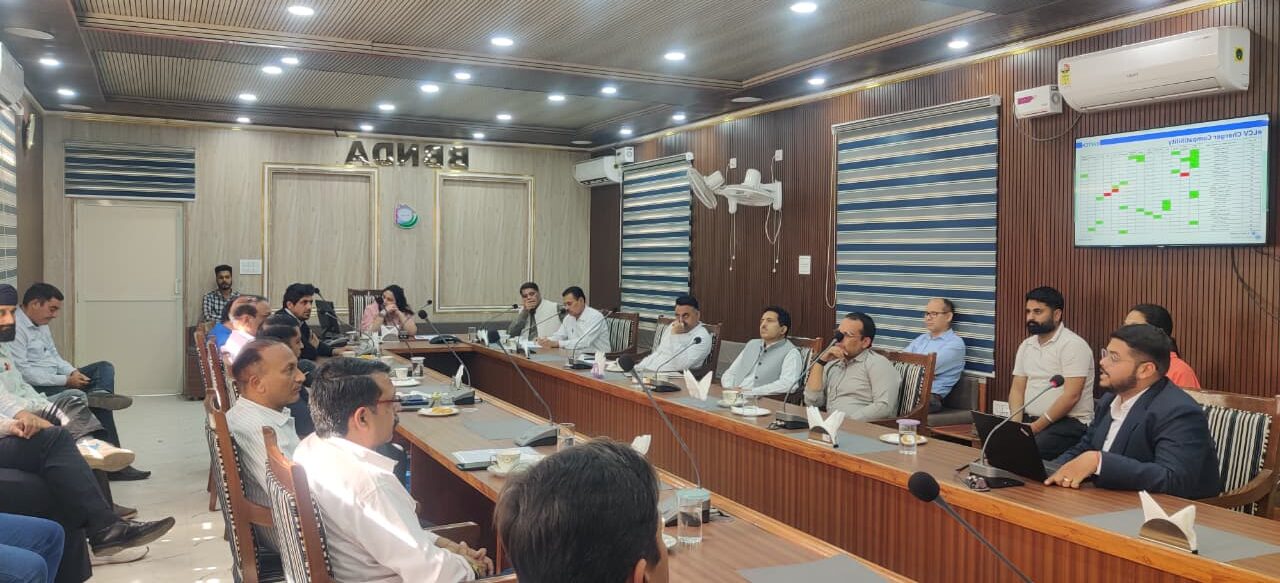
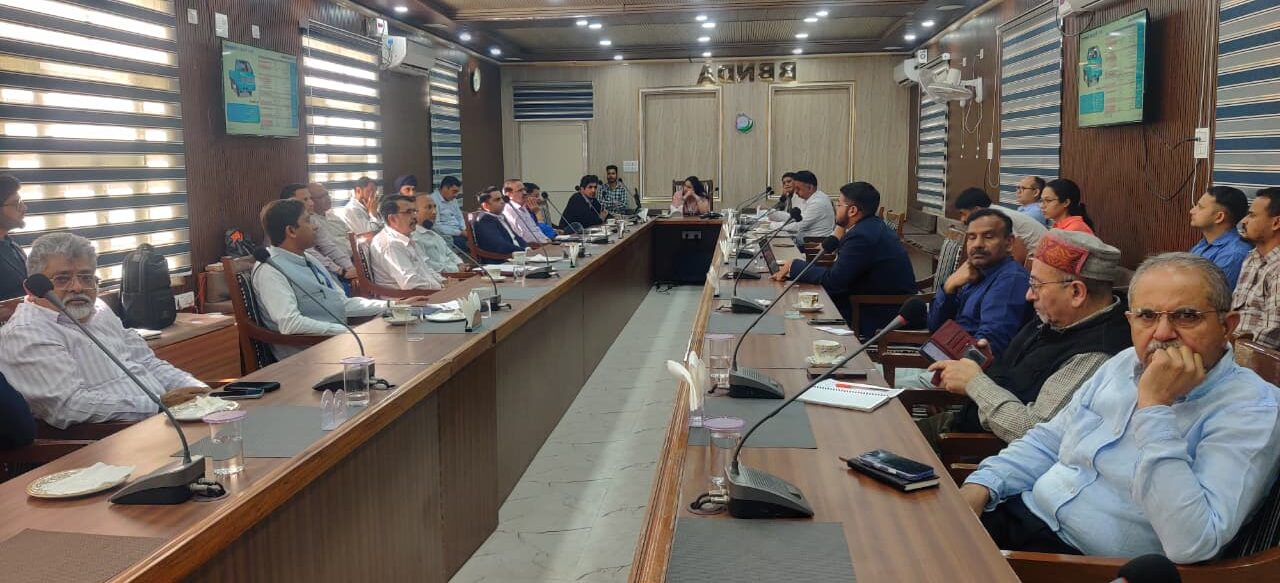
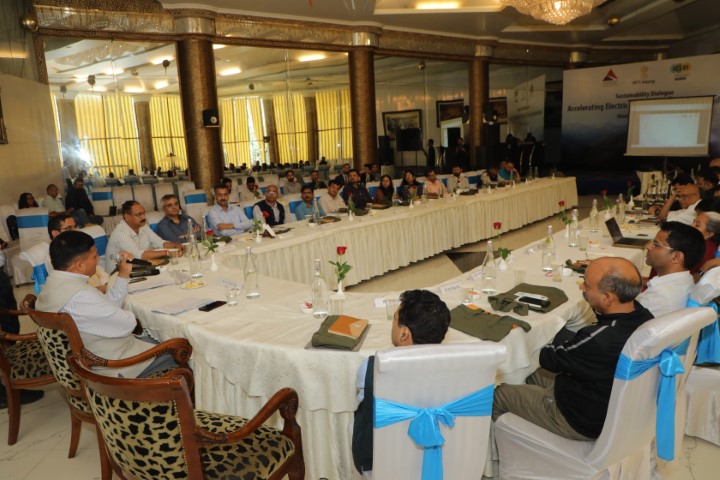
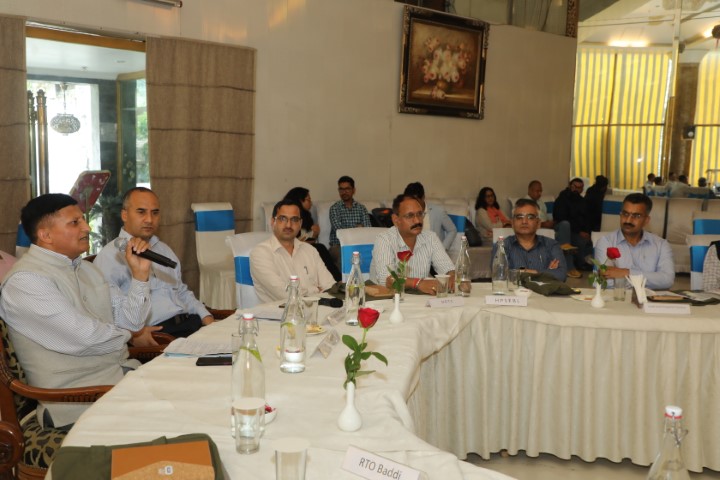
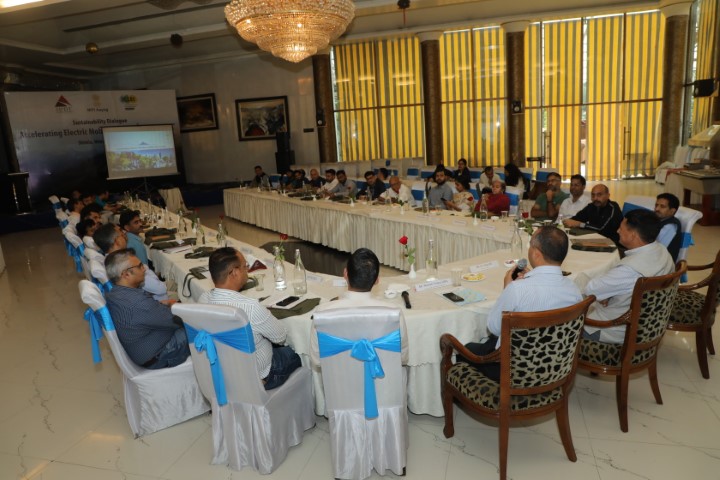
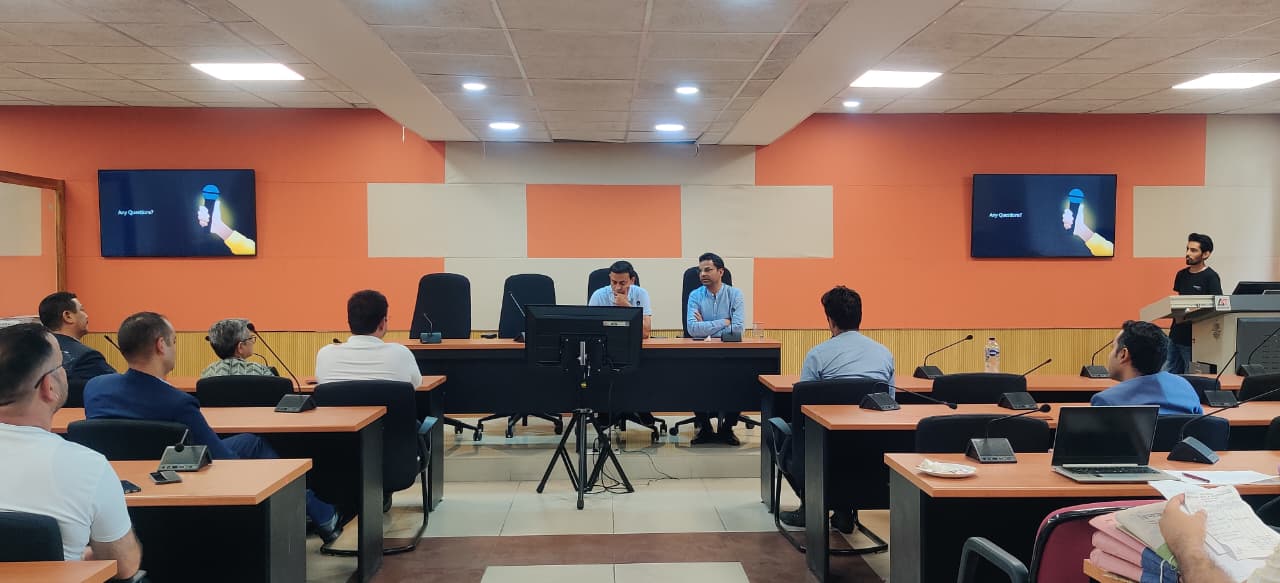
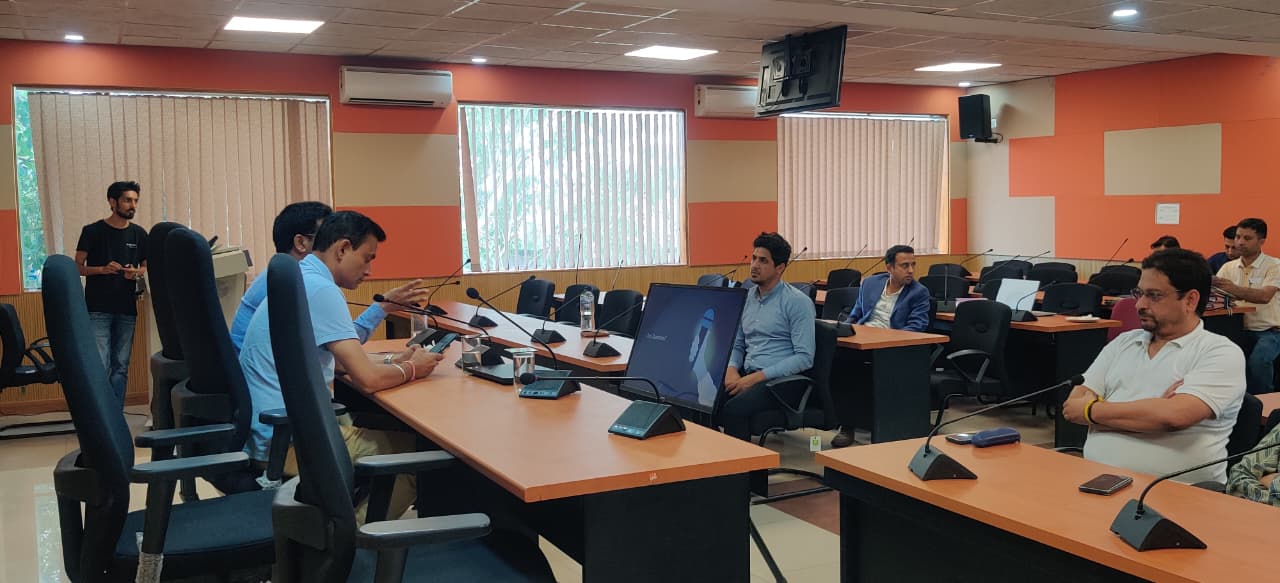
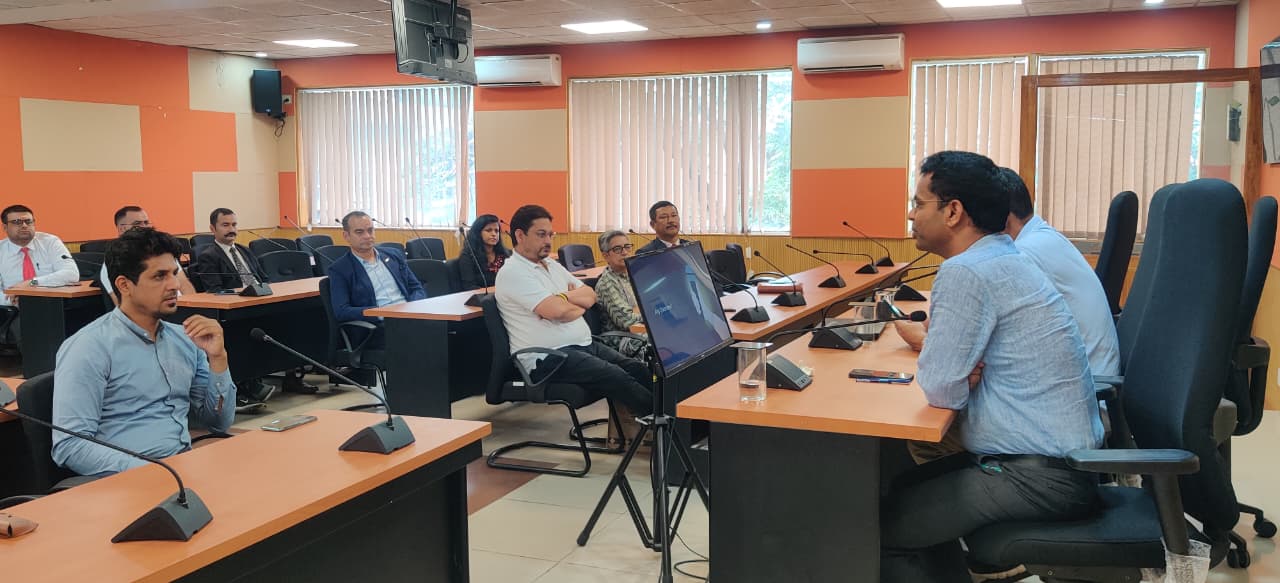
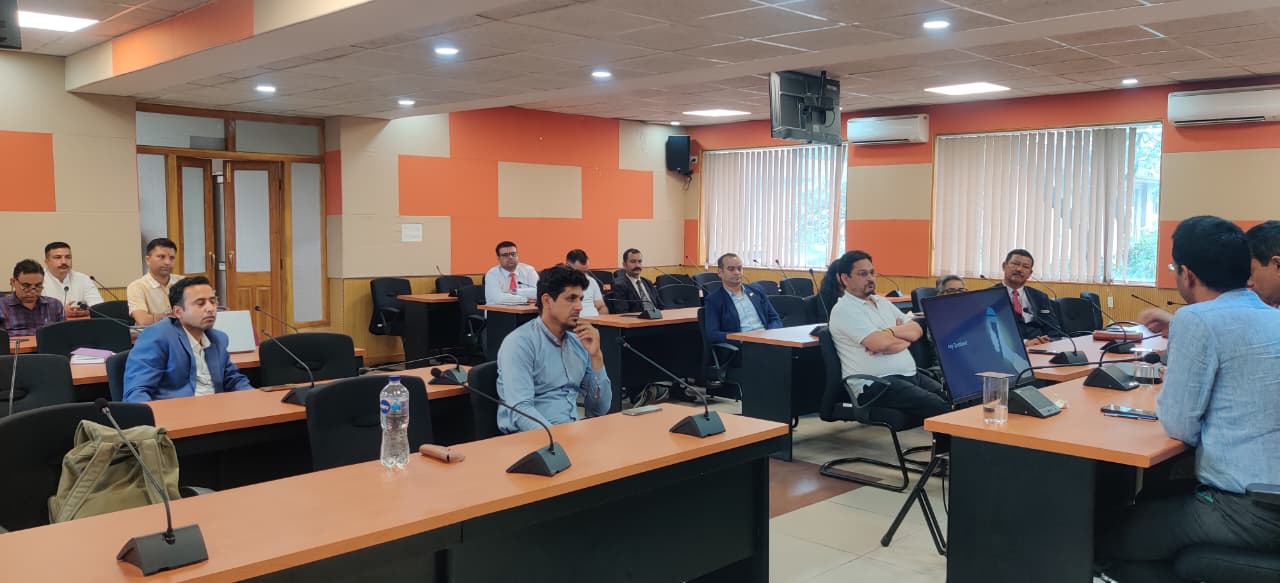
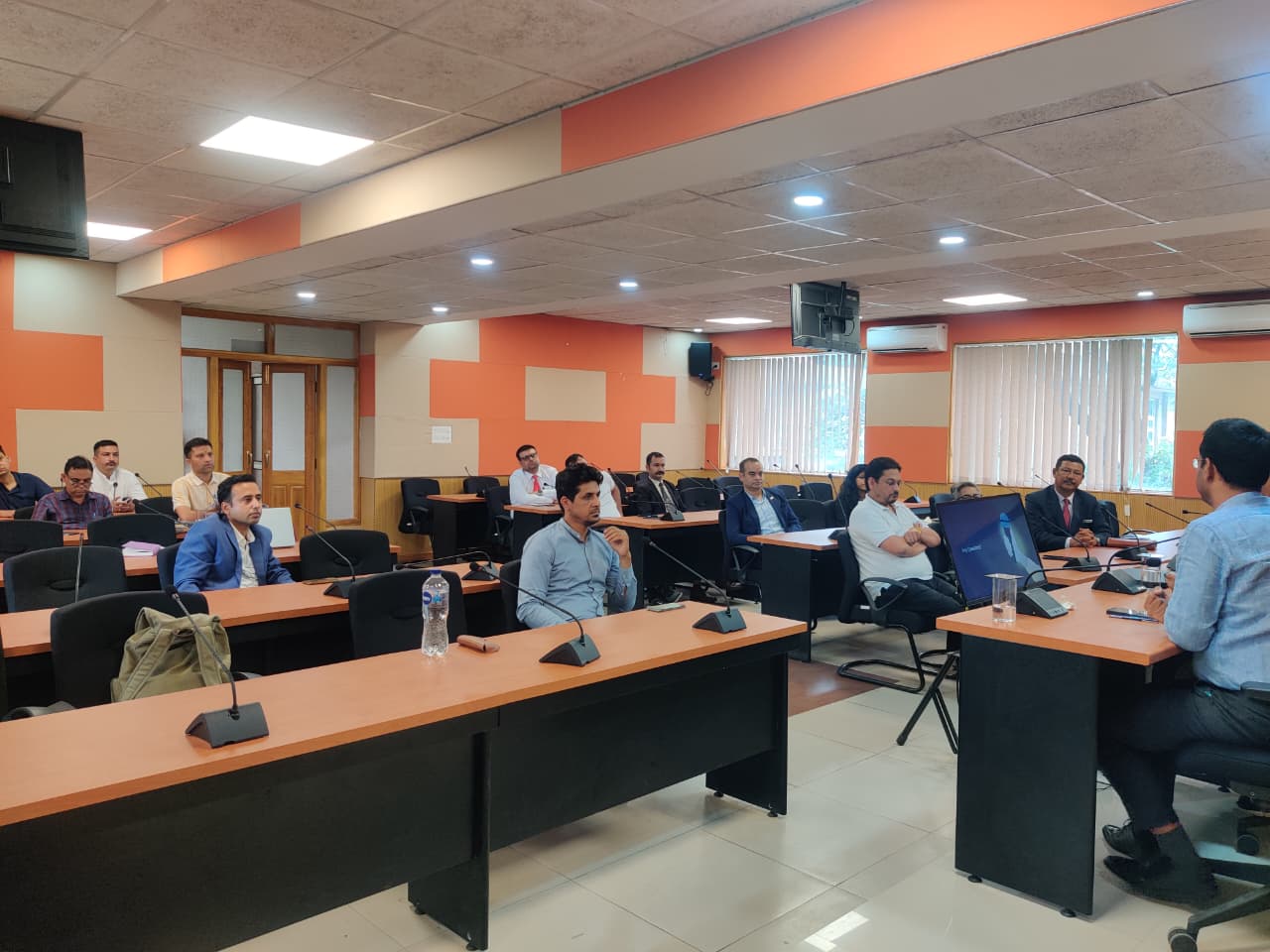
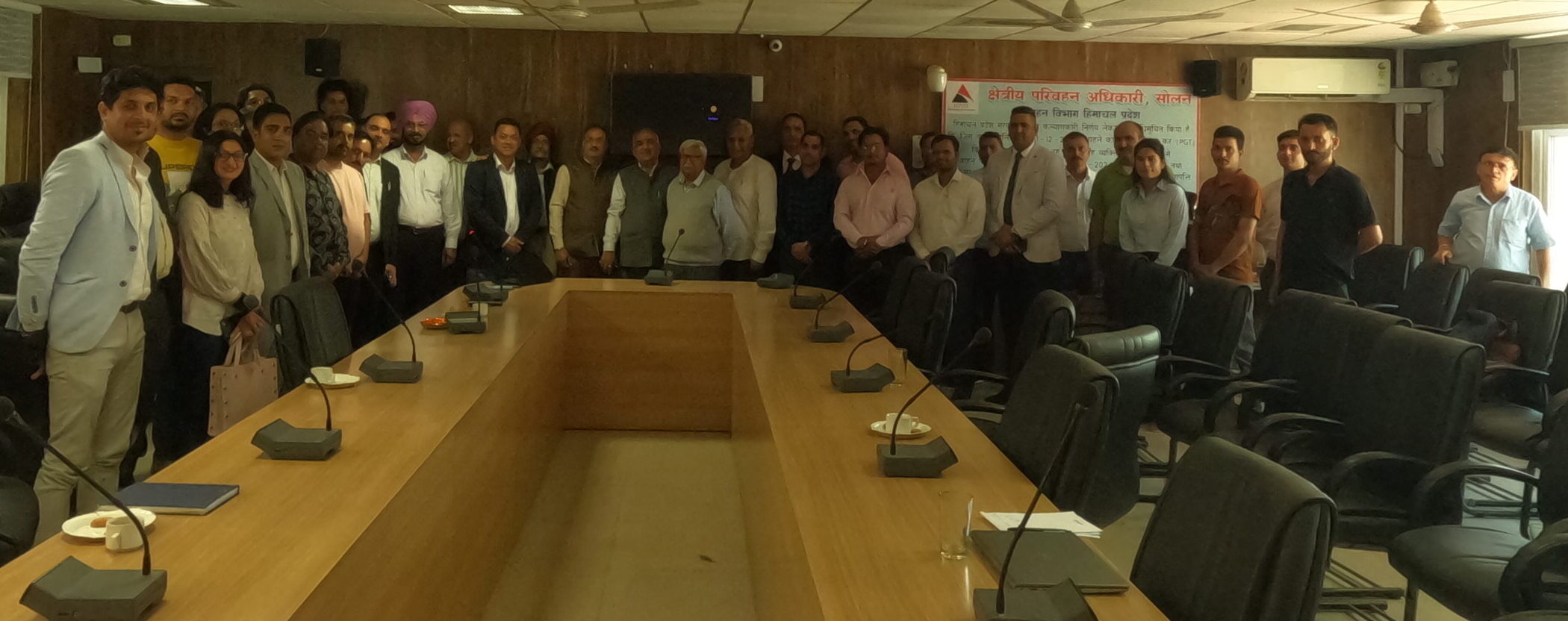
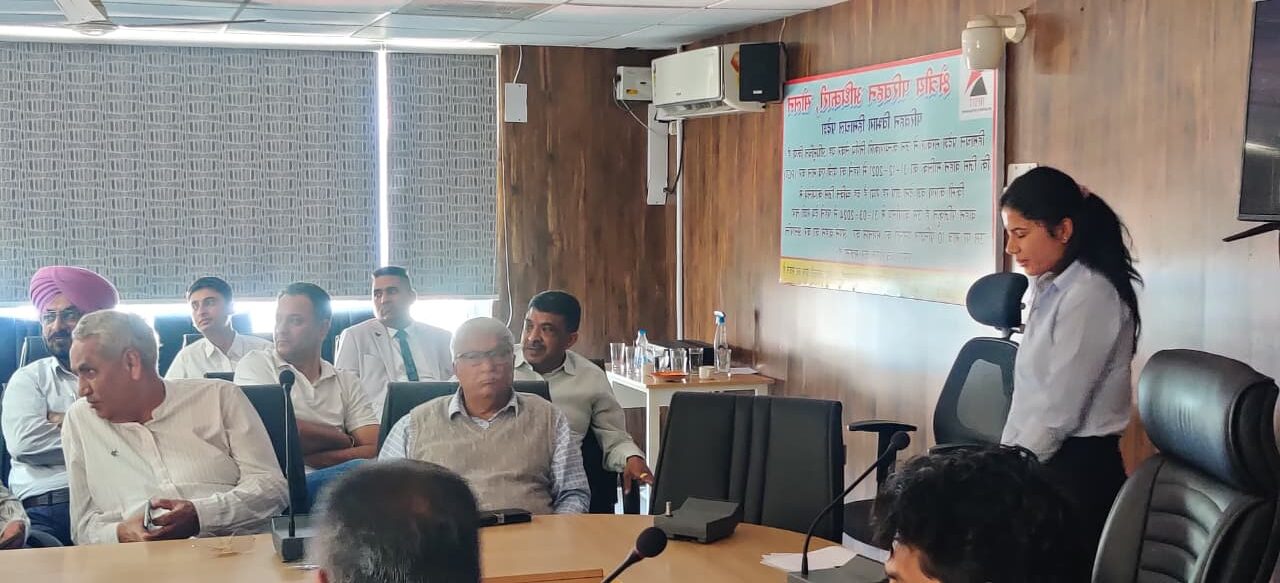
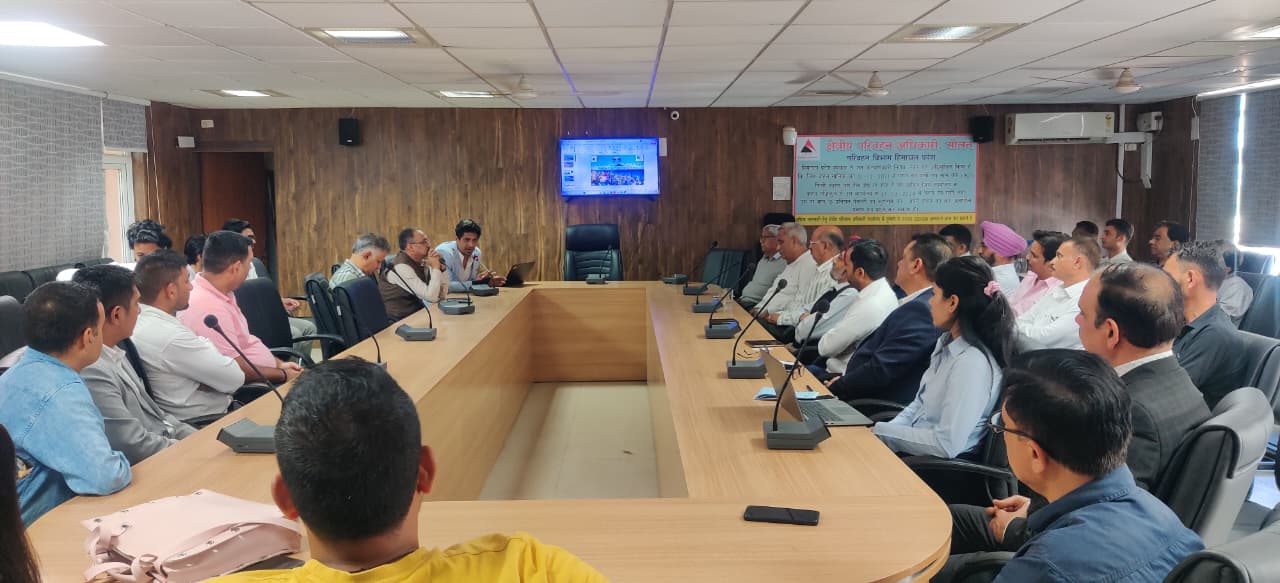
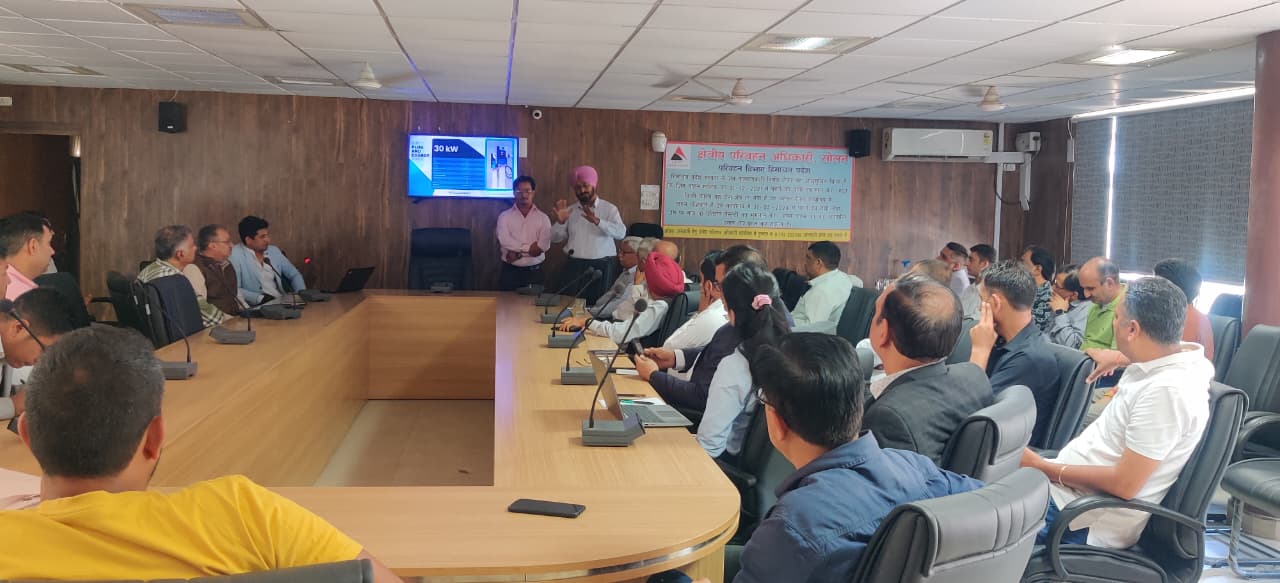
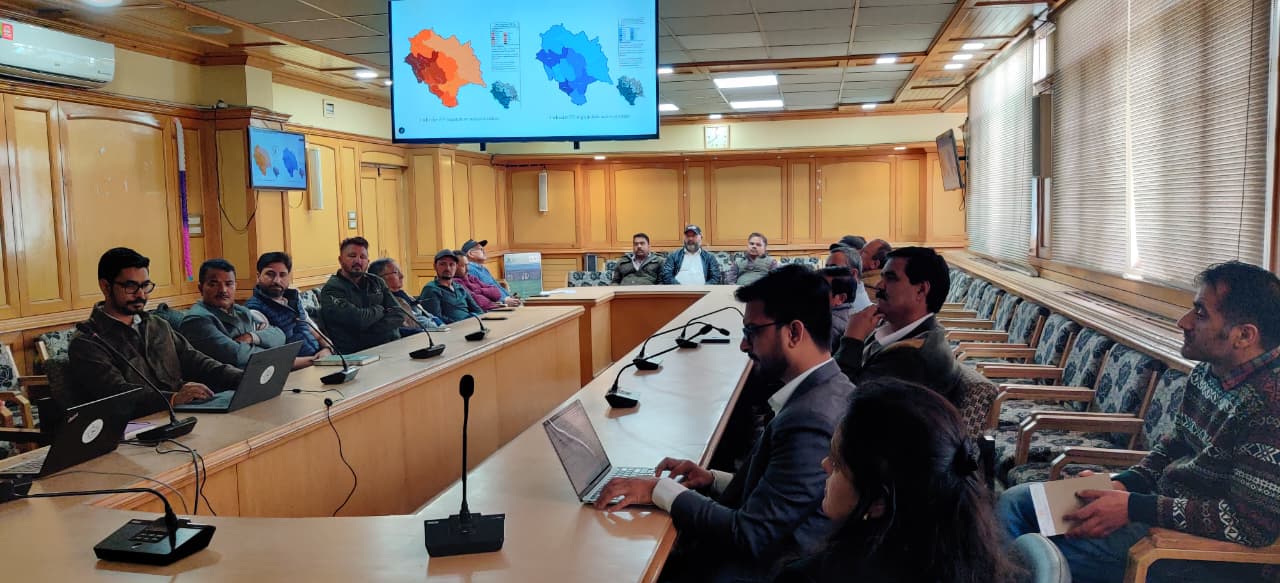
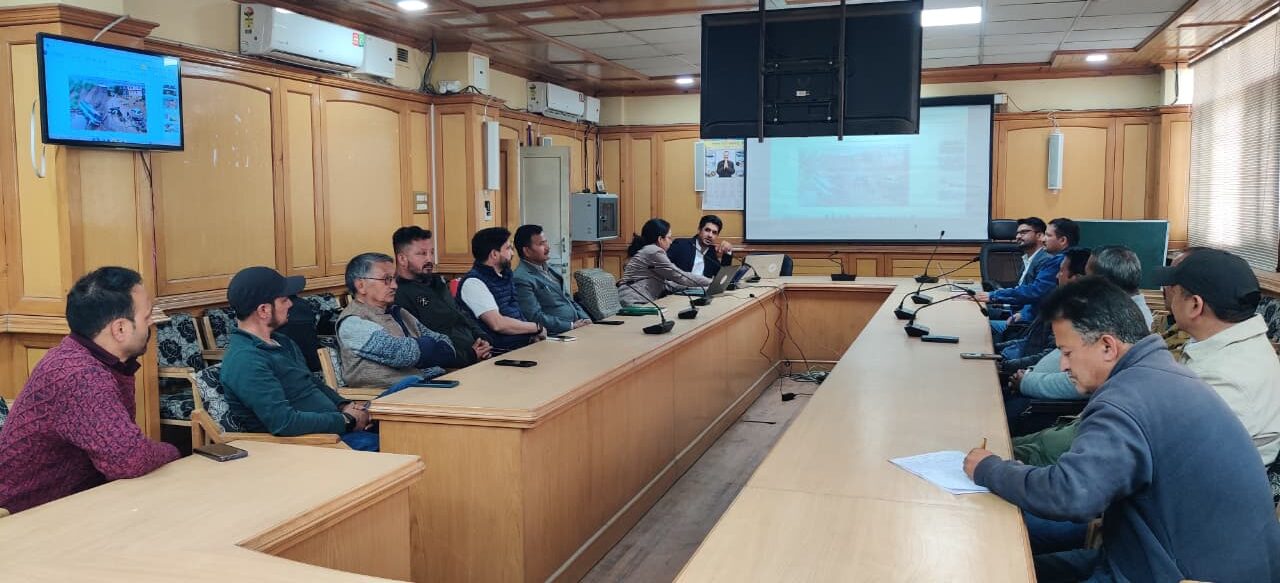
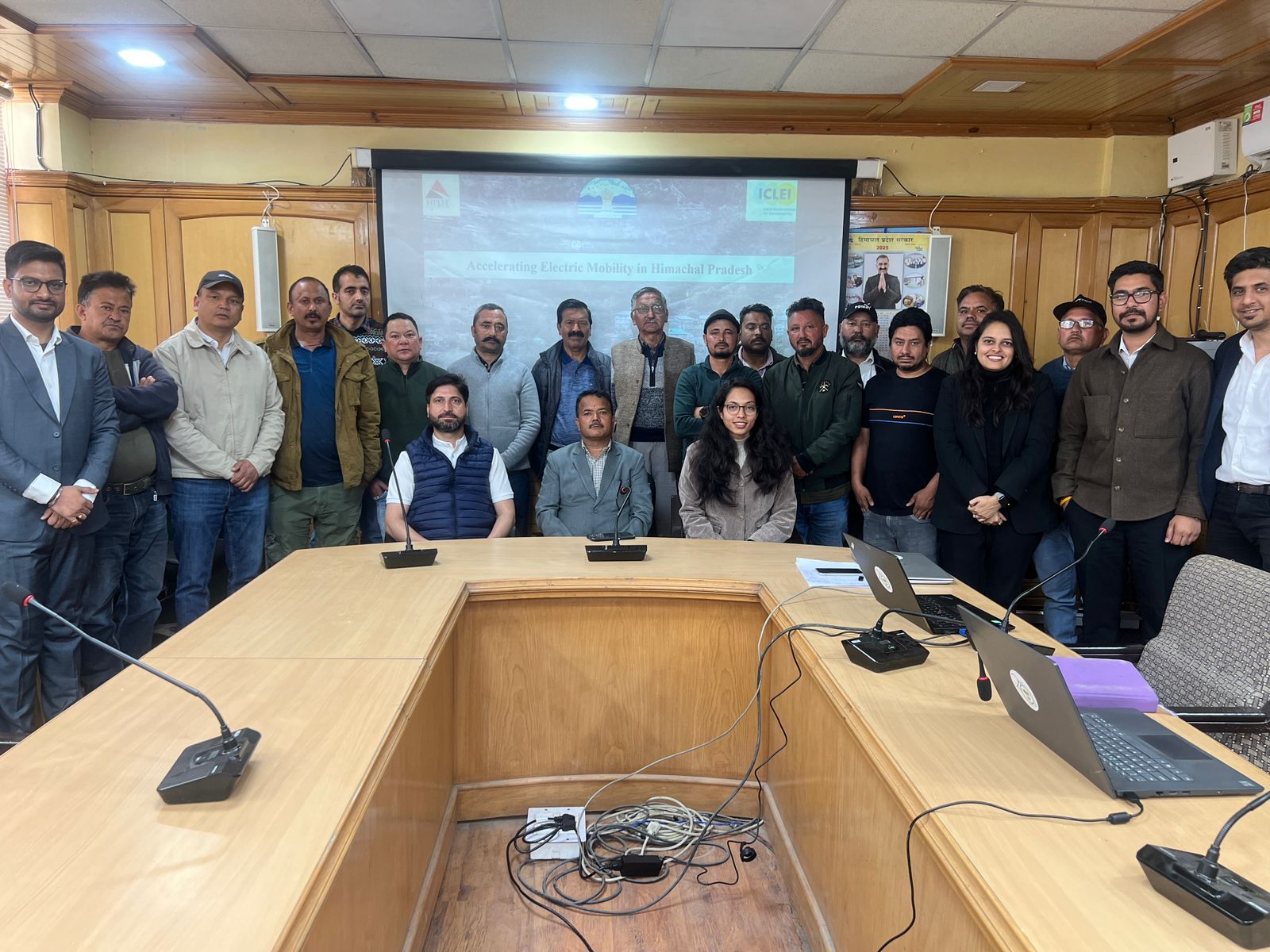
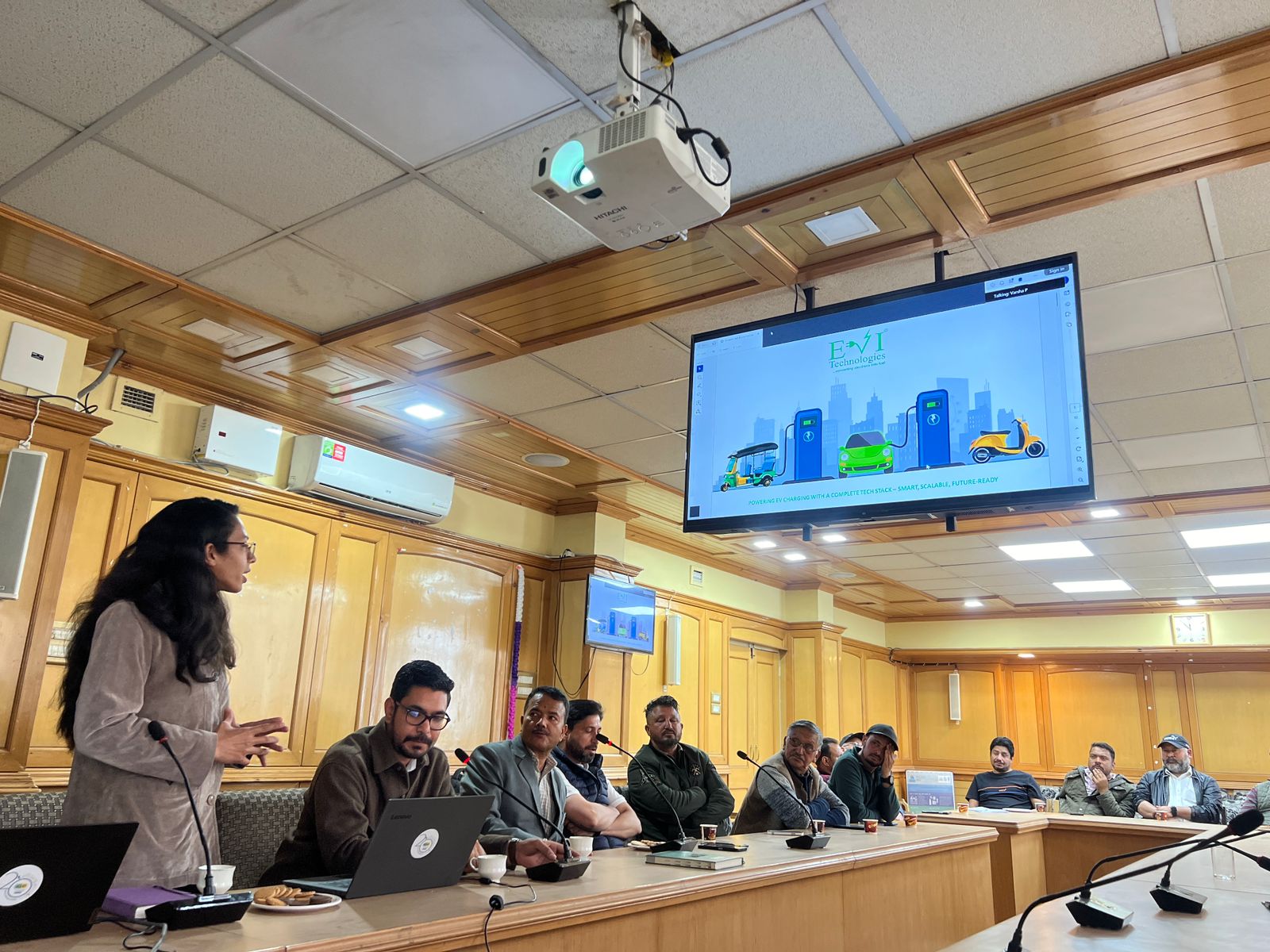
The Electric Vehicle Sensitisation Workshop held in March 2025 at the Baddi-Barotiwala-Nalagarh Development Authority (BBNDA) was the first initiative of its kind in the region. Jointly organised by ICLEI South Asia, the Directorate of Transport Himachal Pradesh, and the Regional Transport Office (RTO) Baddi in collaboration with BBNDA, the workshop focused on building awareness around commercial electric vehicles, the need for robust charging infrastructure, and strategies to cut carbon emissions and improve air quality. It brought together key industry stakeholders, relevant state departments, charge point operators, and original equipment manufacturers for an integrated discussion on strengthening the EV ecosystem for the industrial sector.
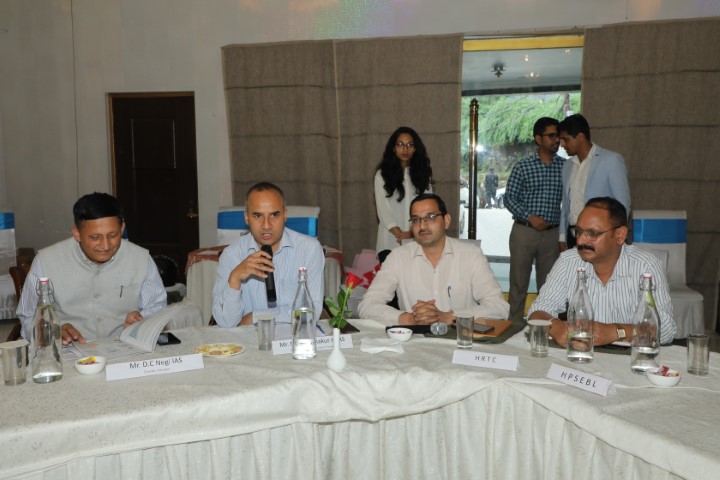
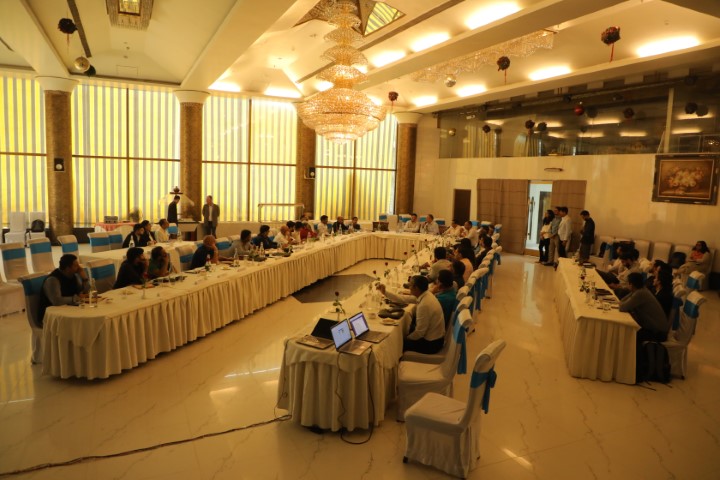
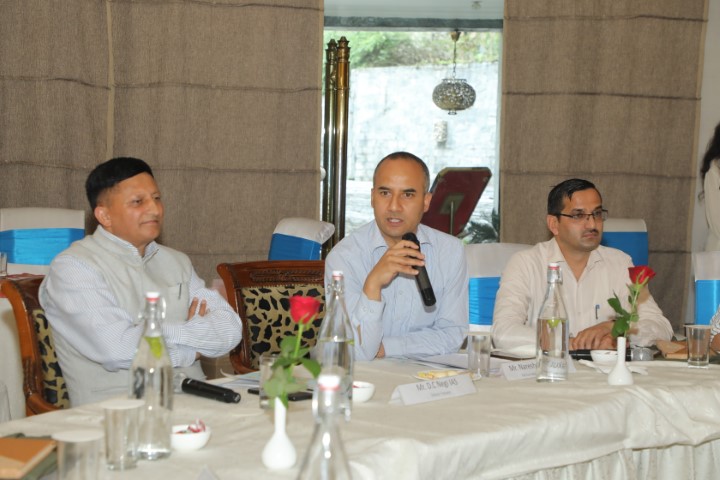
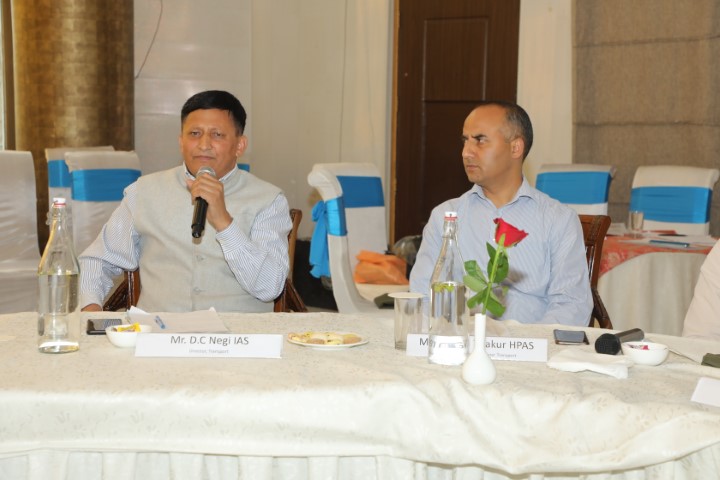
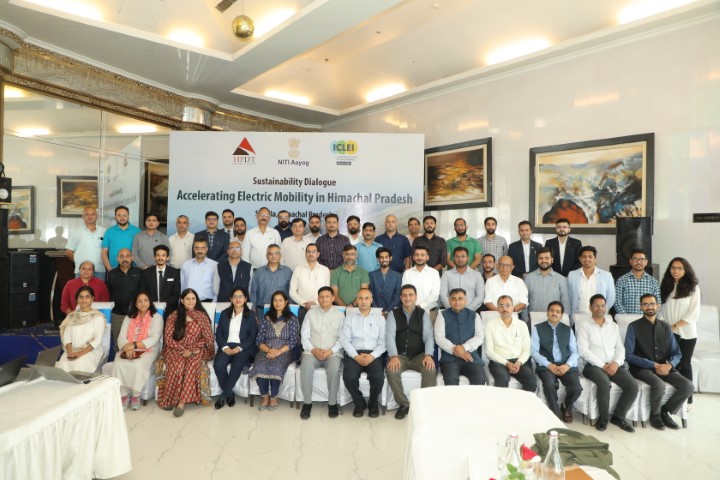
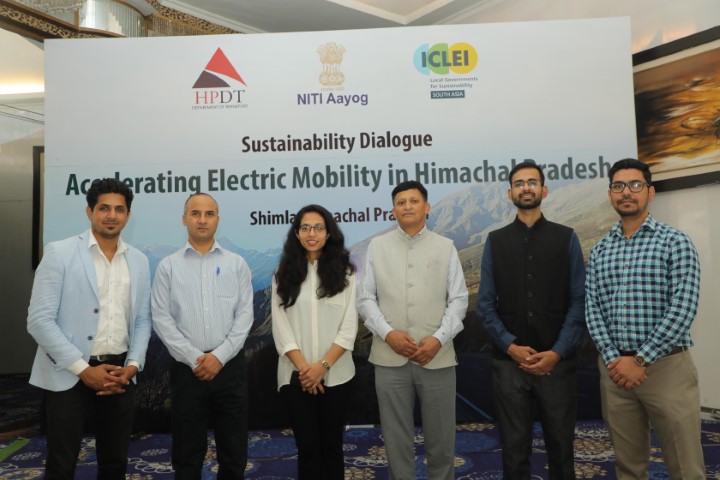
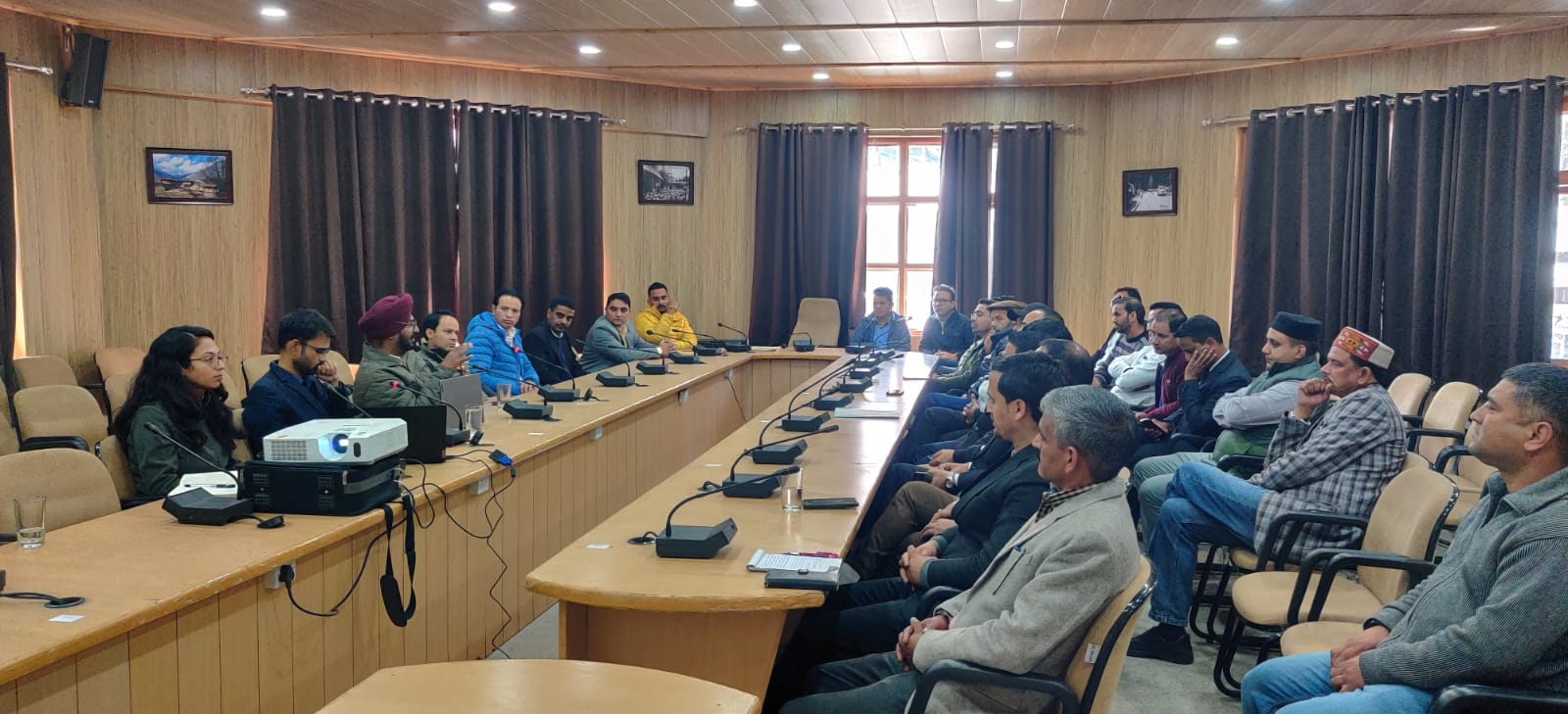
In July 2024, a State Level Multistakeholder Roundtable on Electric Mobility was held in Shimla, convened by the Directorate of Transport with participation from state departments, local bodies, utilities, industry, financial institutions, academia, civil society and tourism stakeholders. Discussions focused on grid readiness, a statewide fast-charging network, integrating charging in building bylaws, deployment of electric taxis, and EV use in eco-tourism. Participants also explored awareness campaigns, financing models and policy measures to support phased EV adoption, including improved charging infrastructure along key tourist routes and highways.
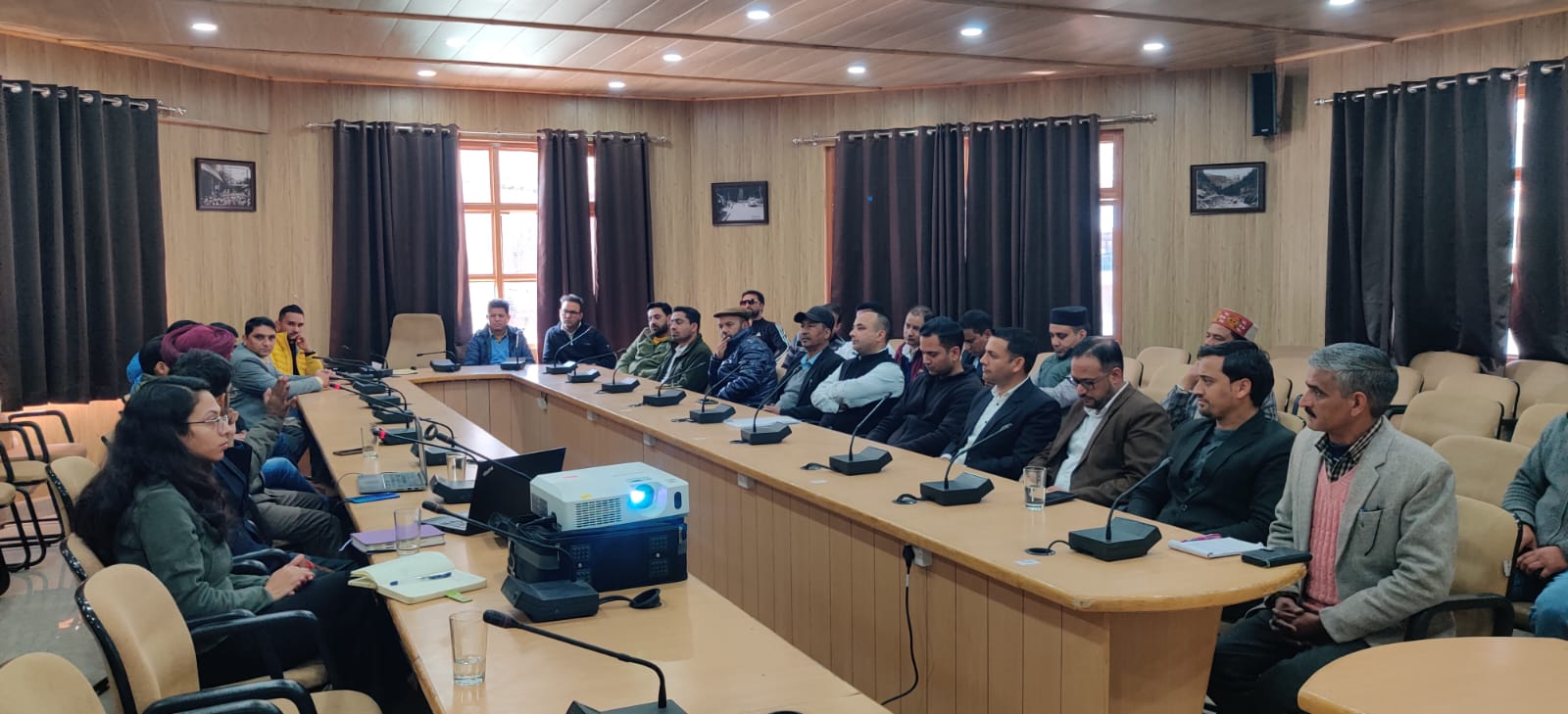
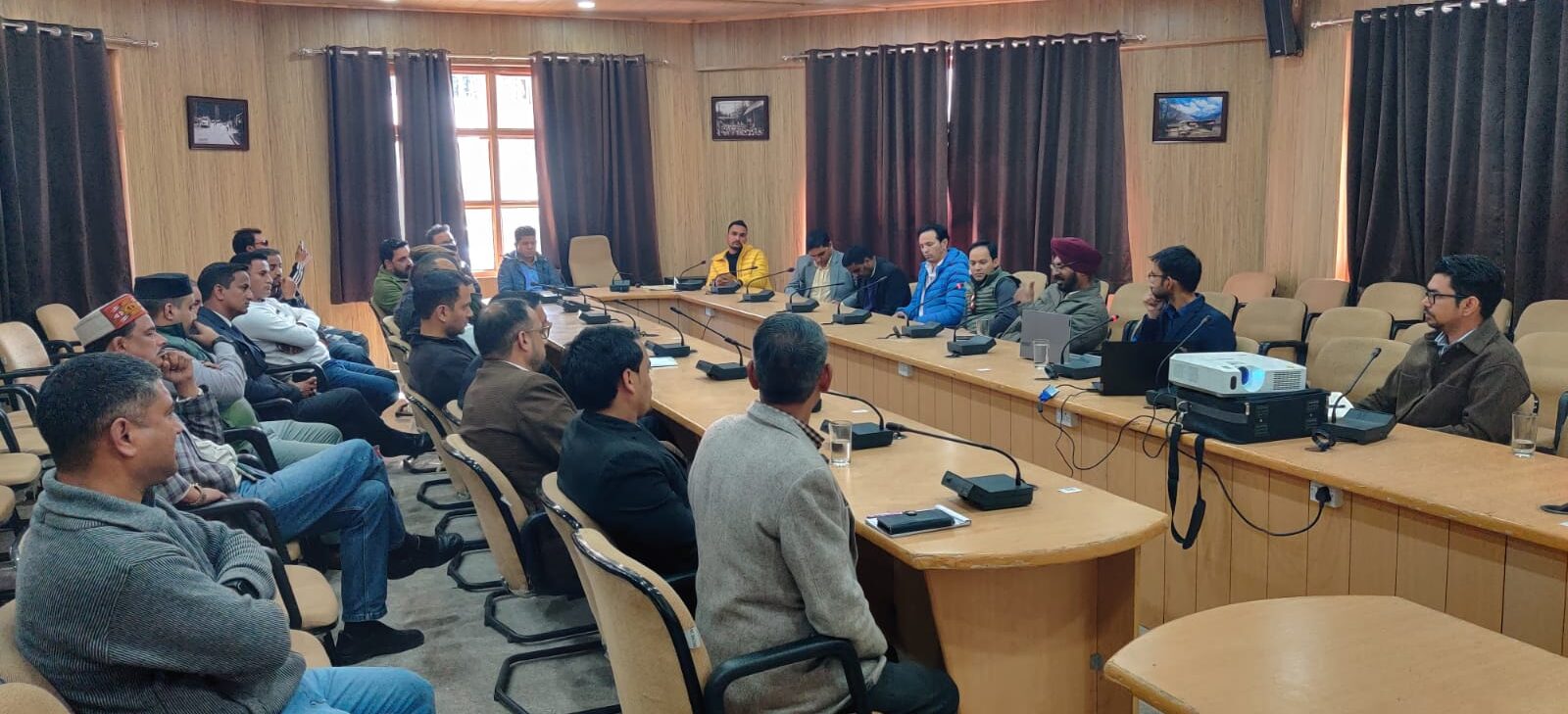
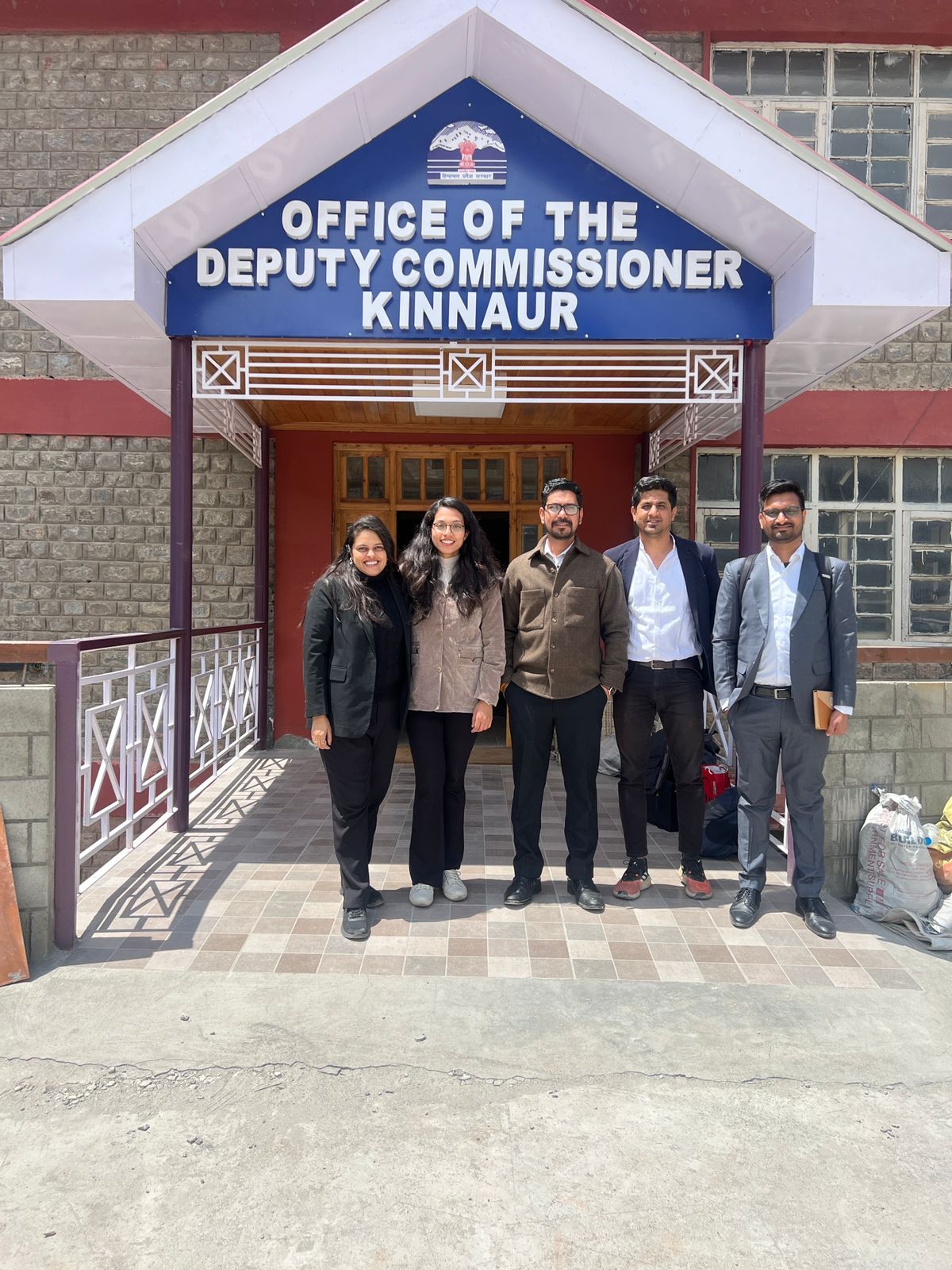
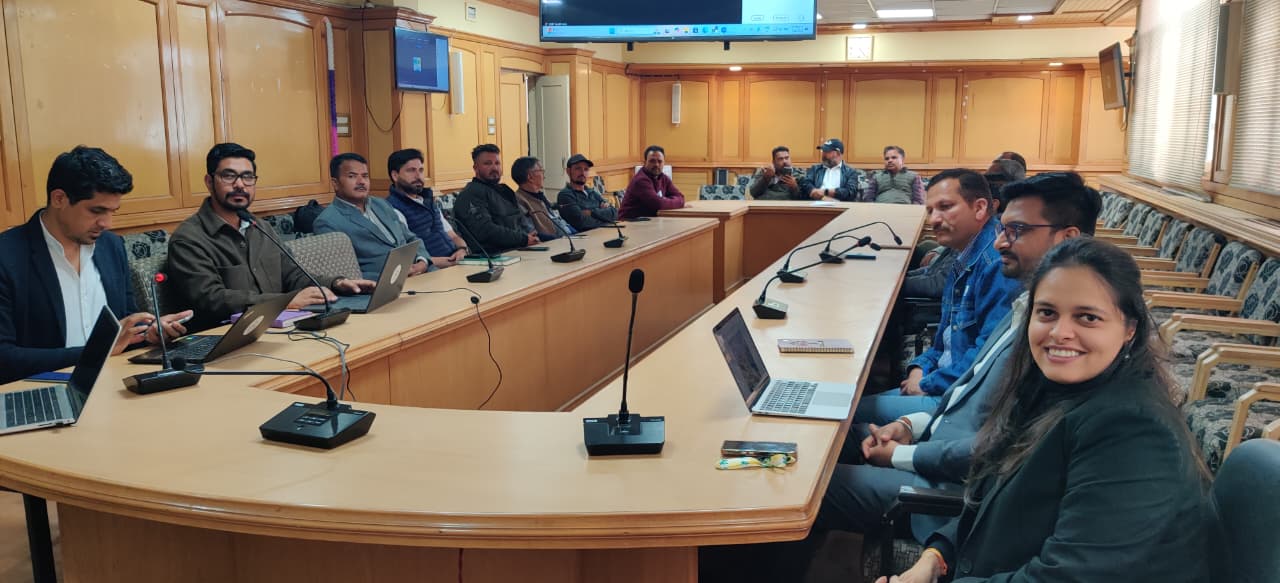
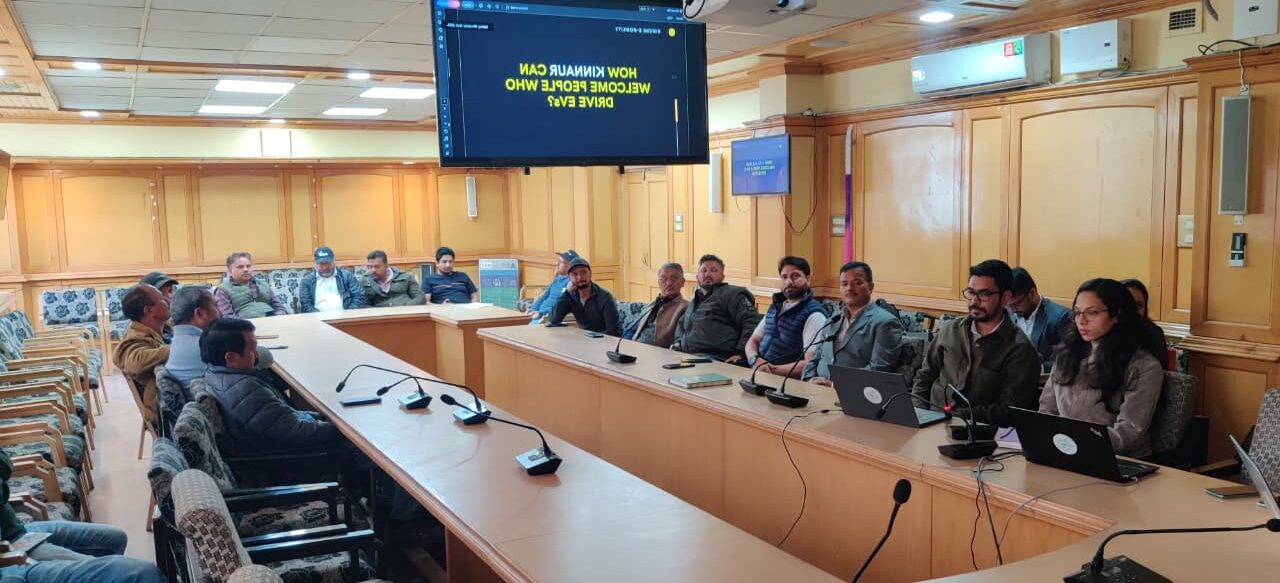
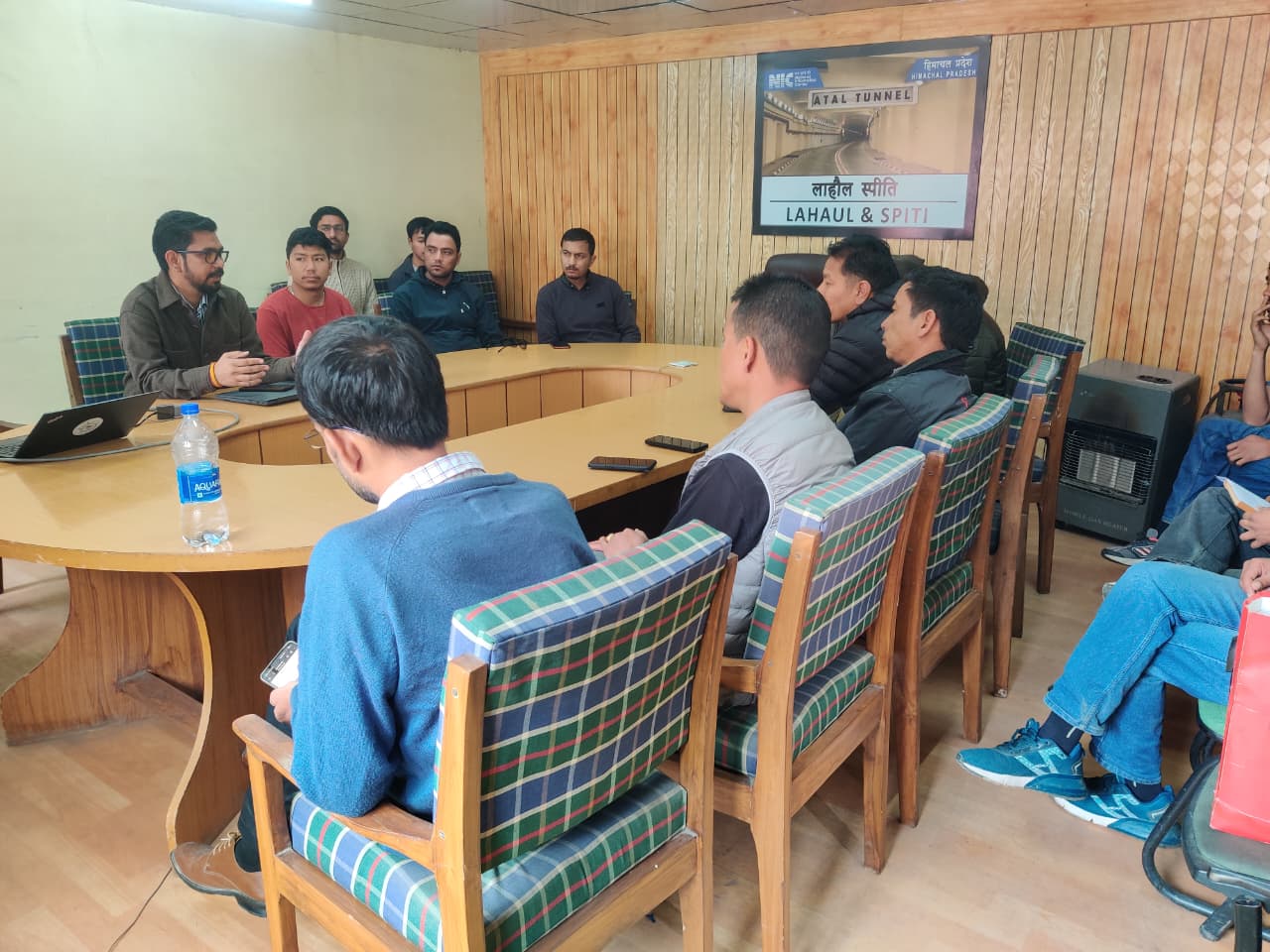
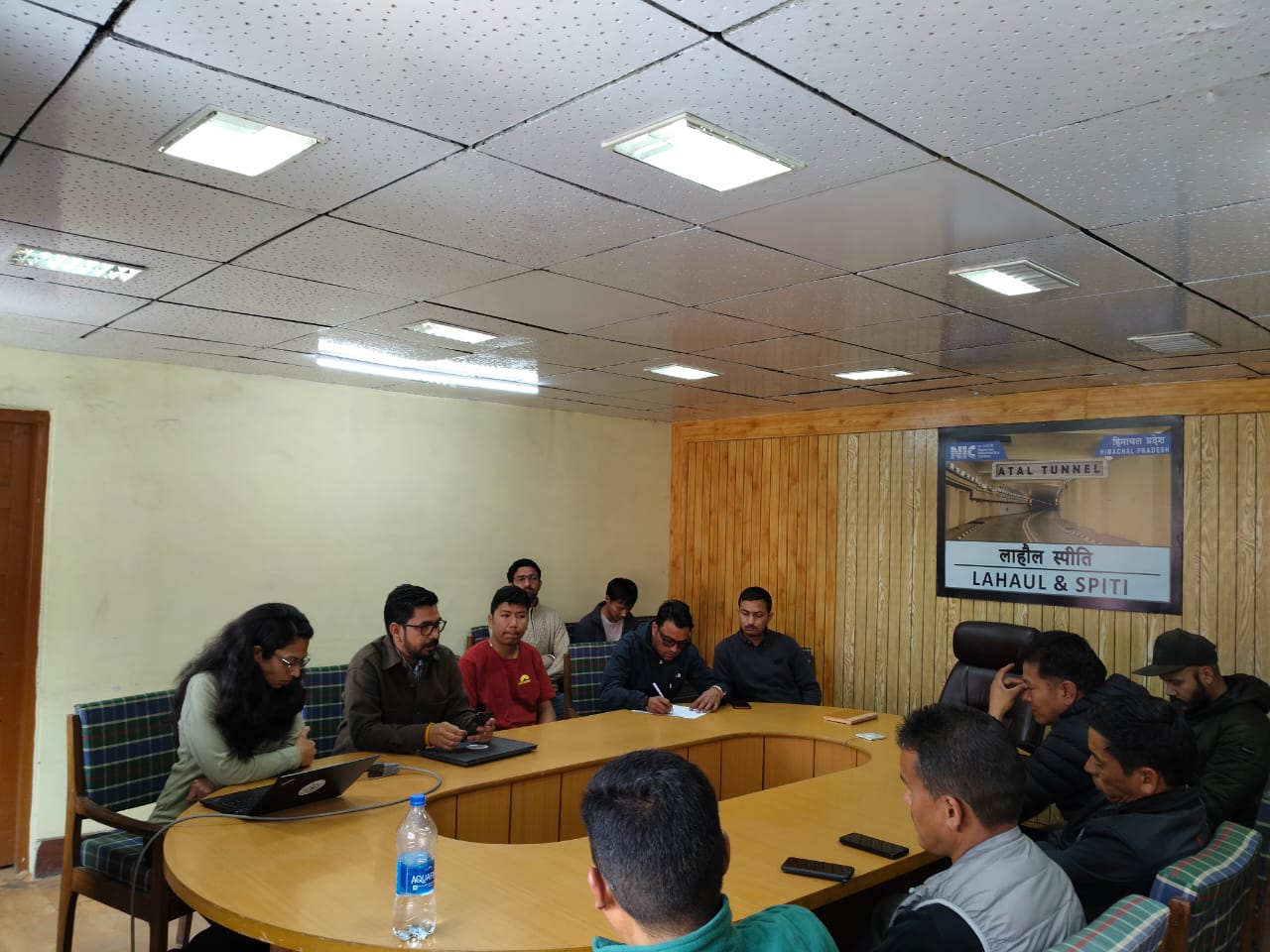
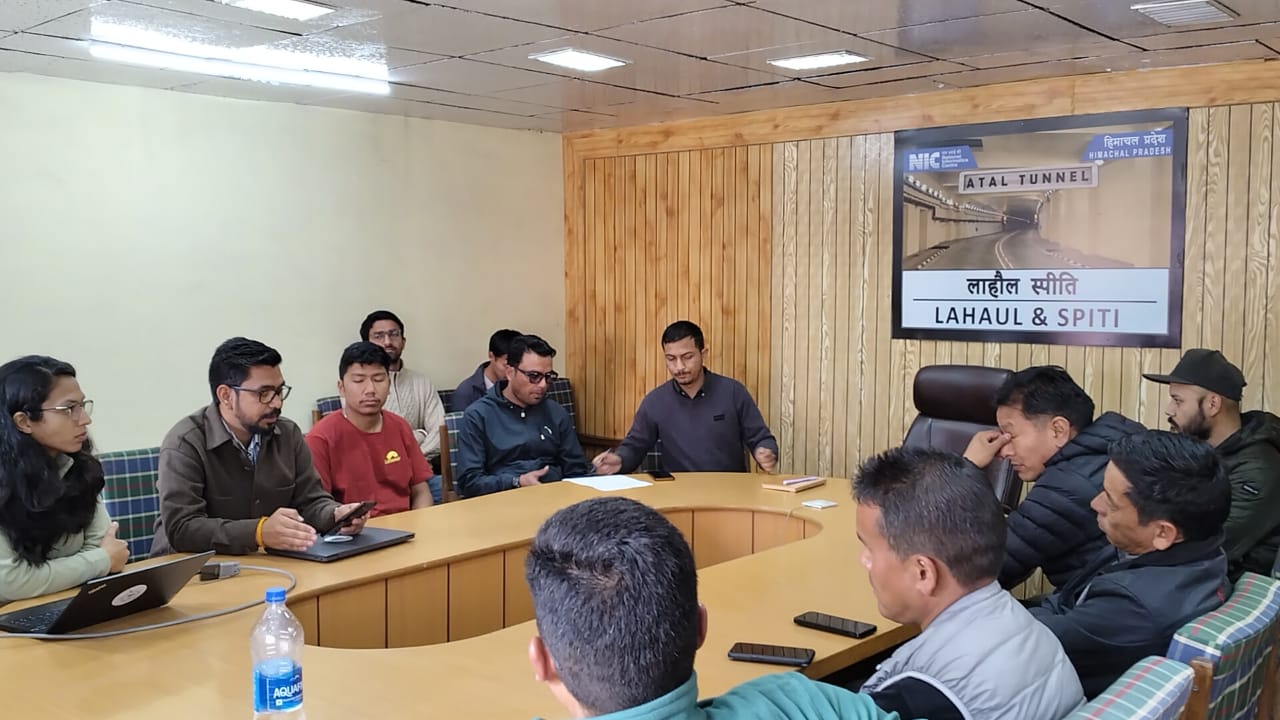
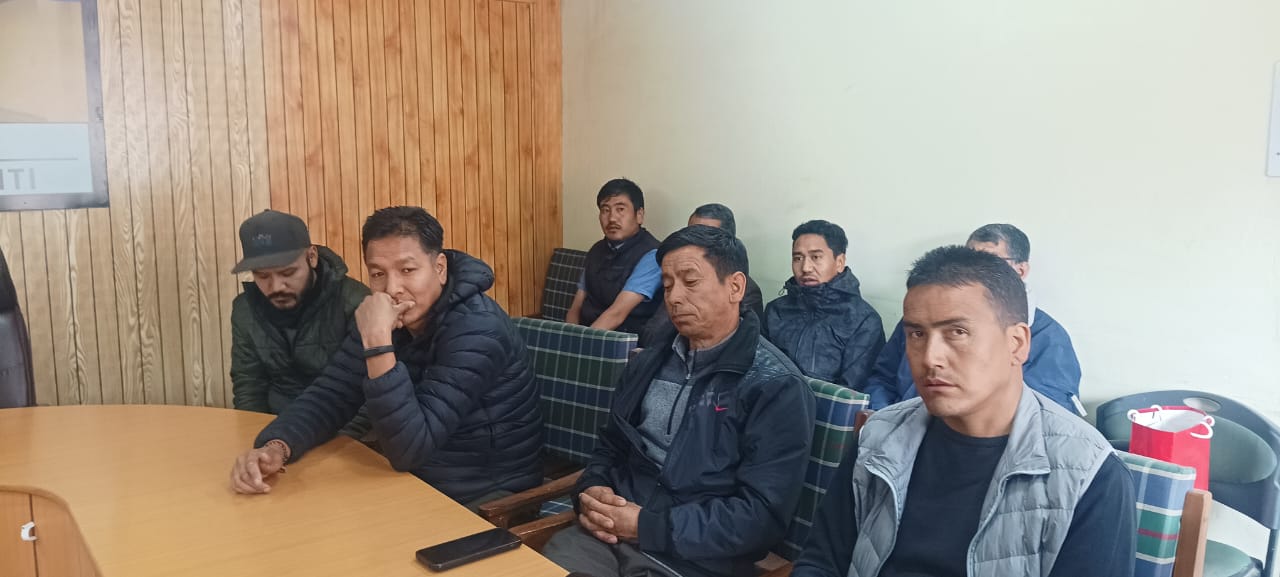
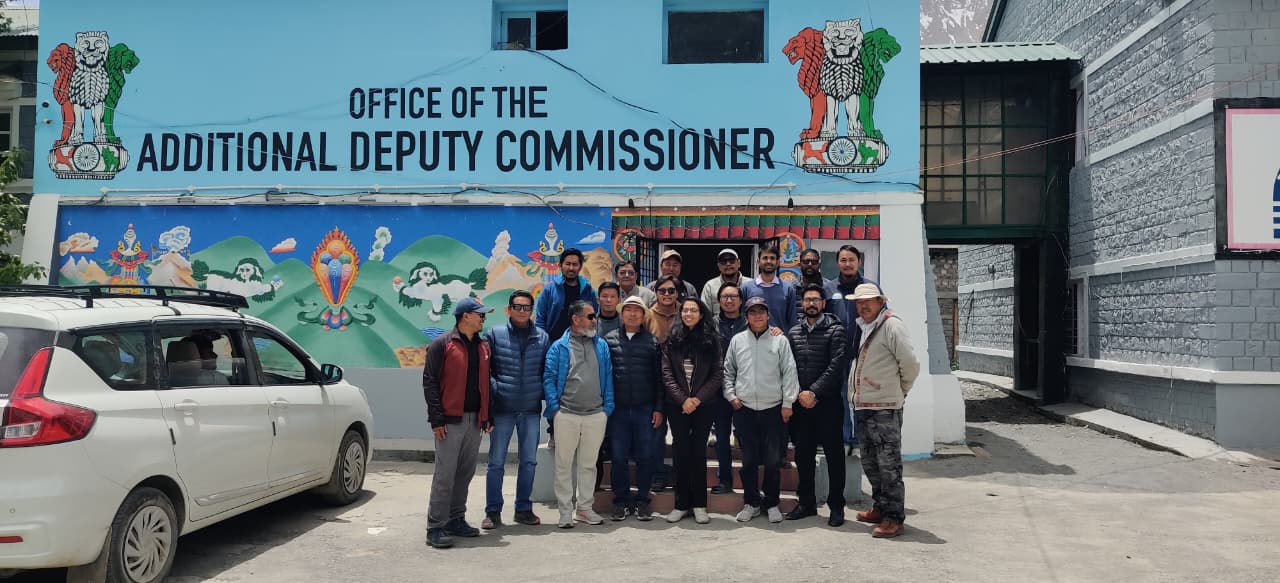
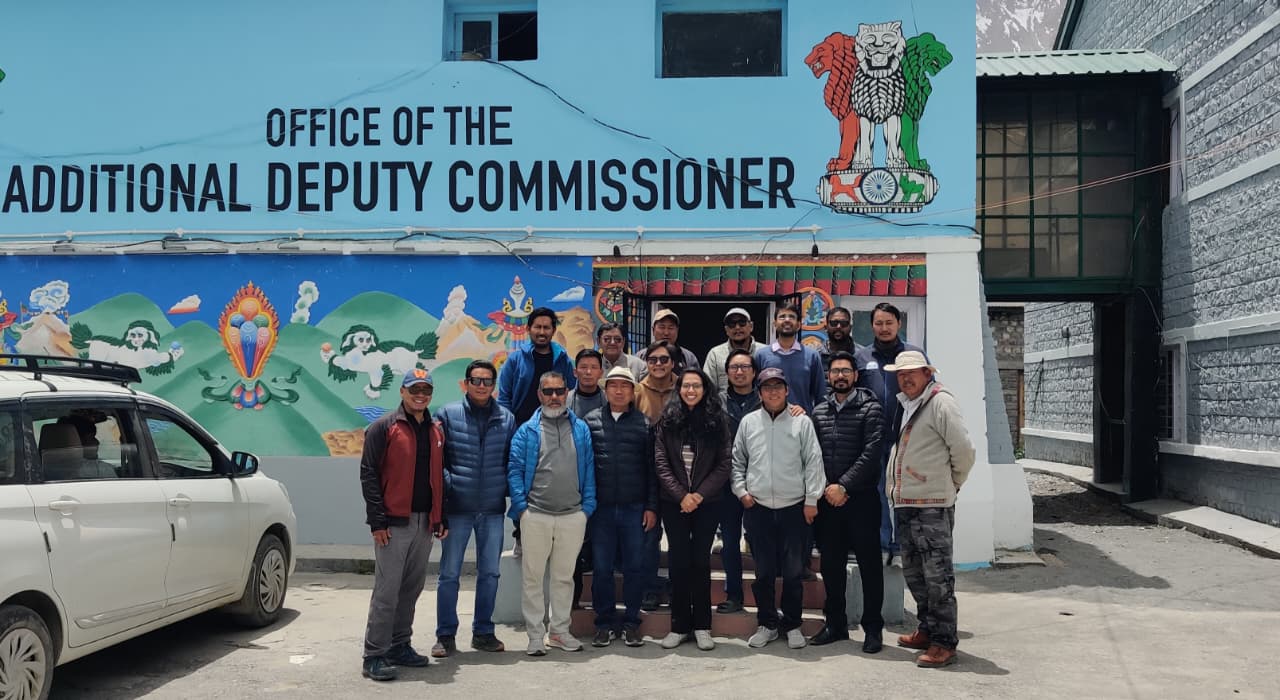
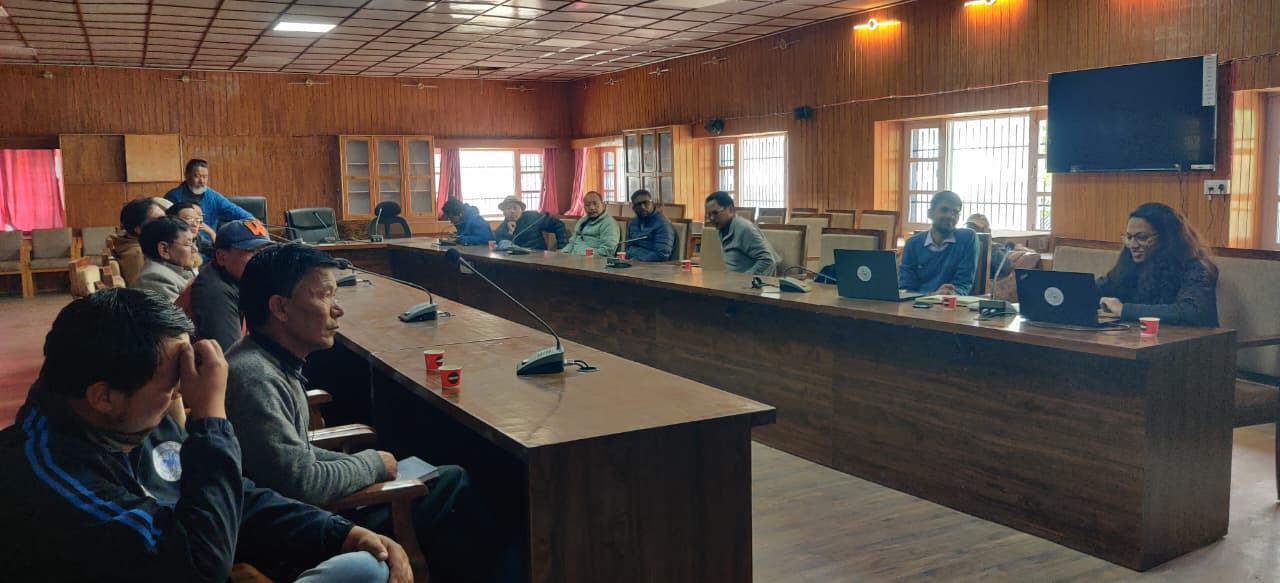
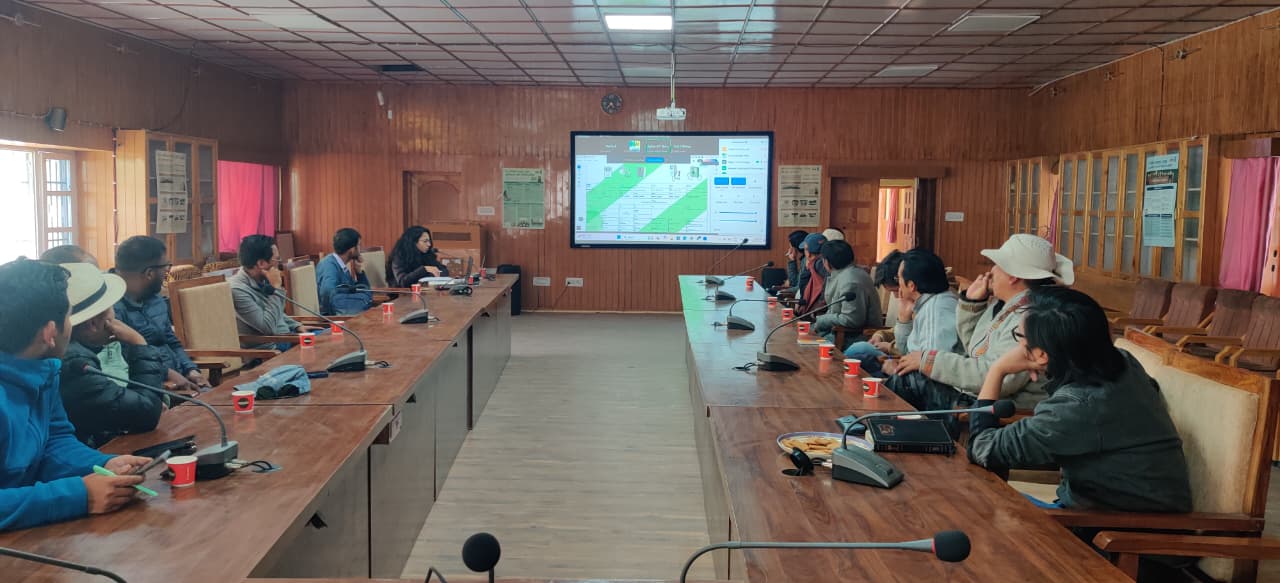
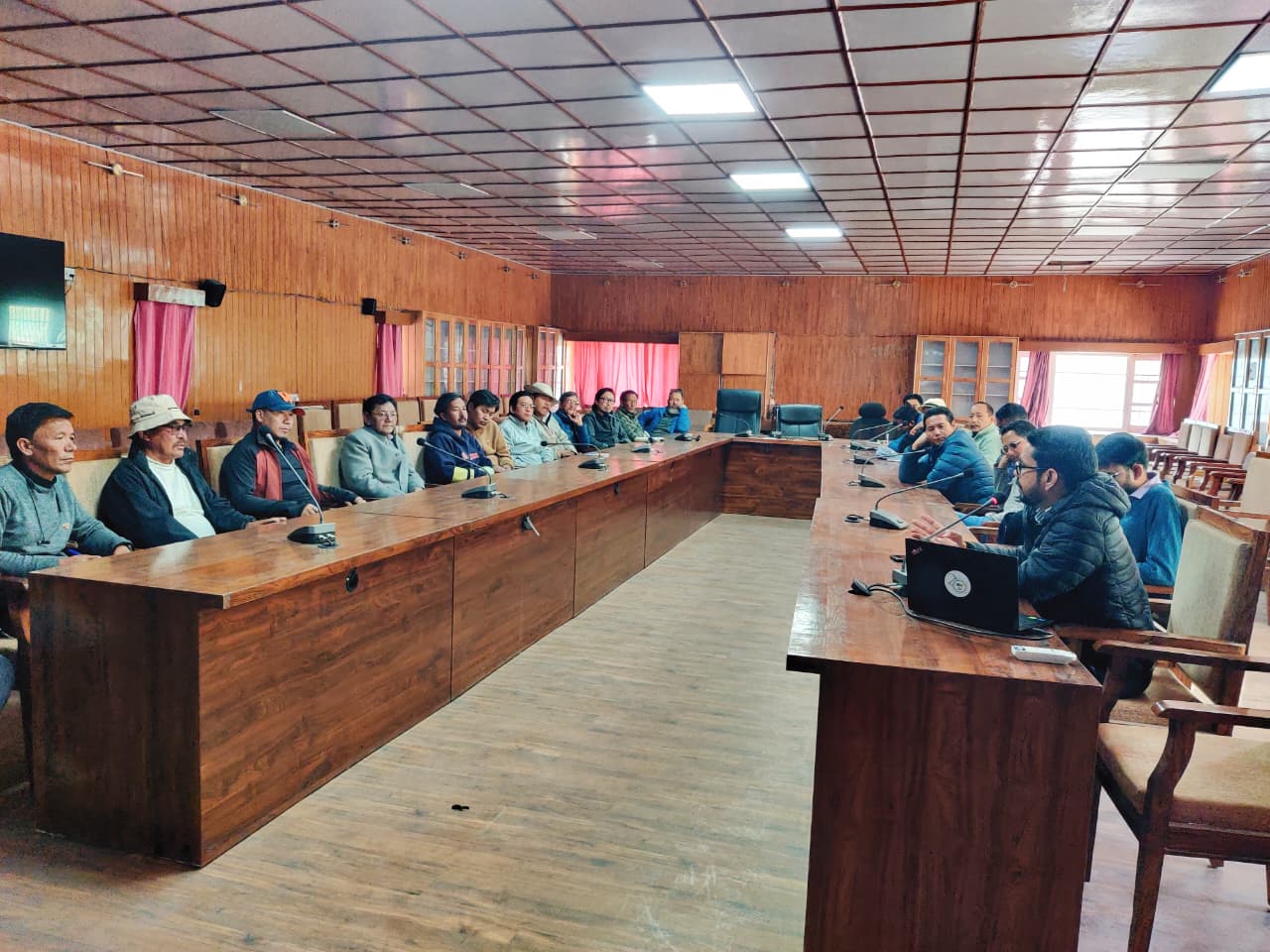
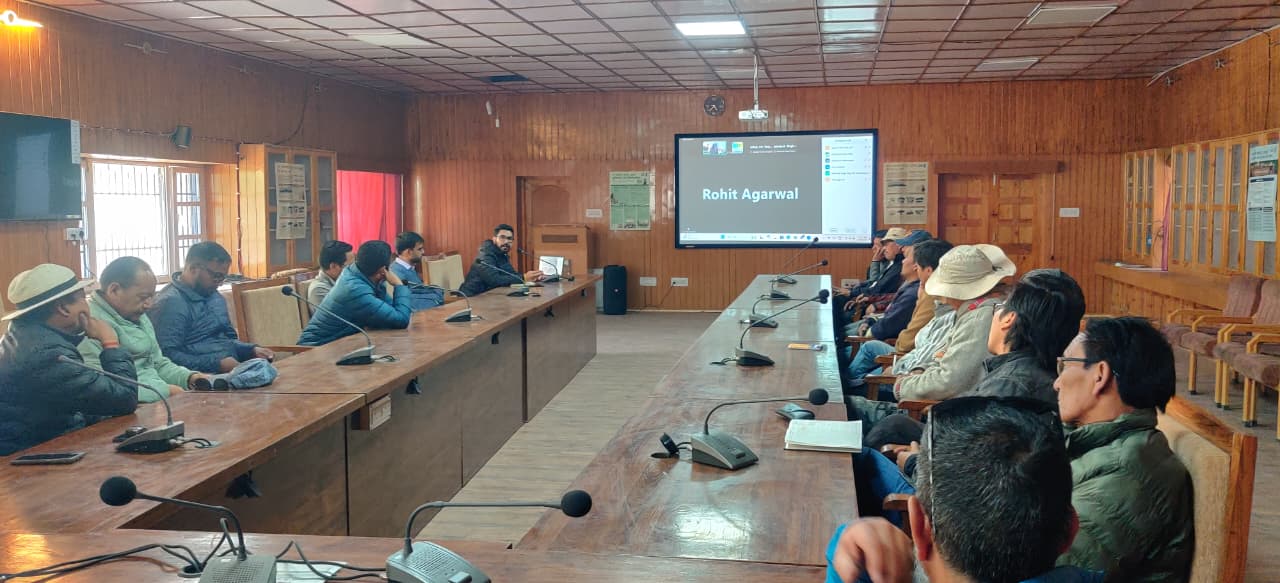
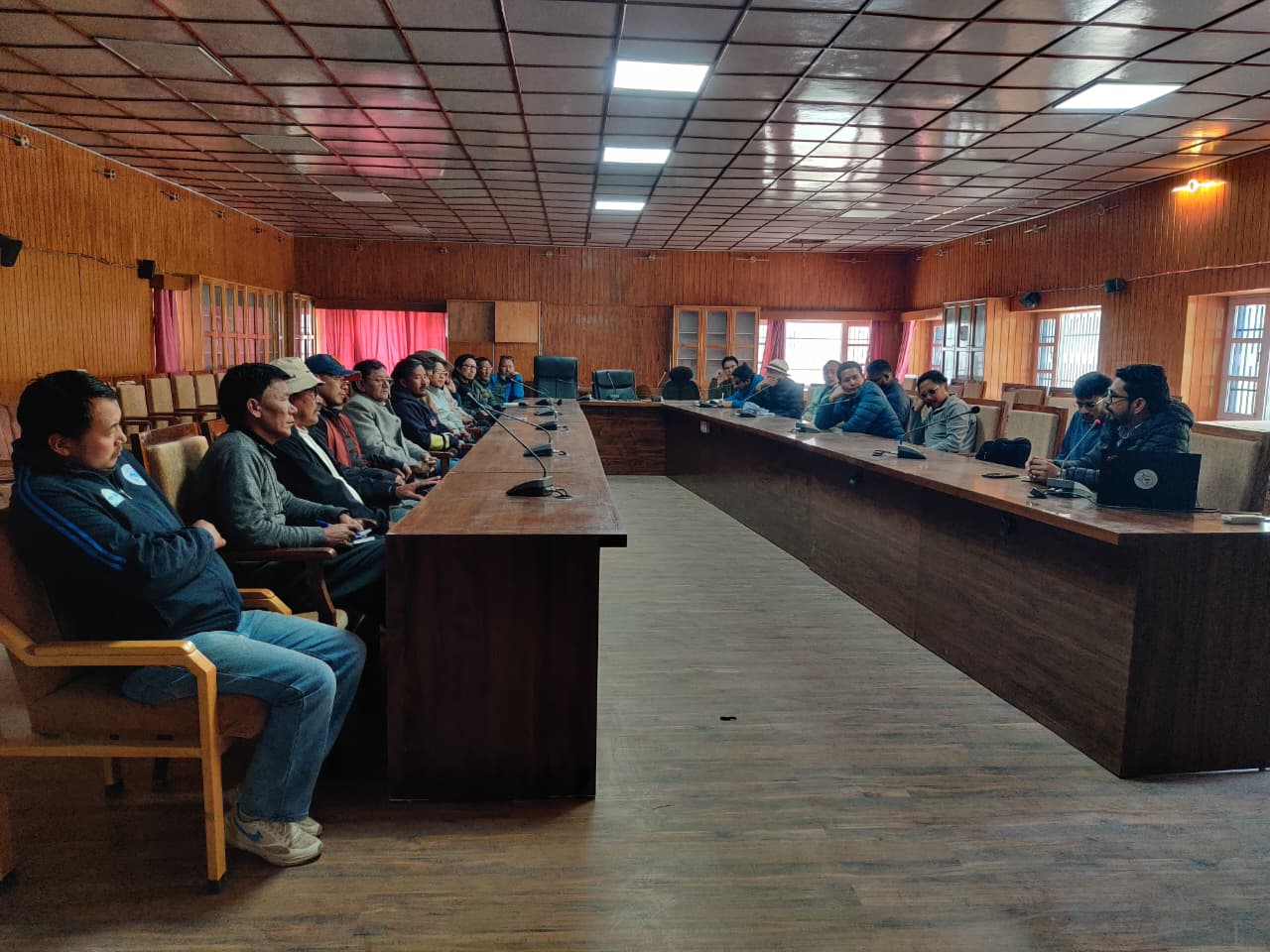
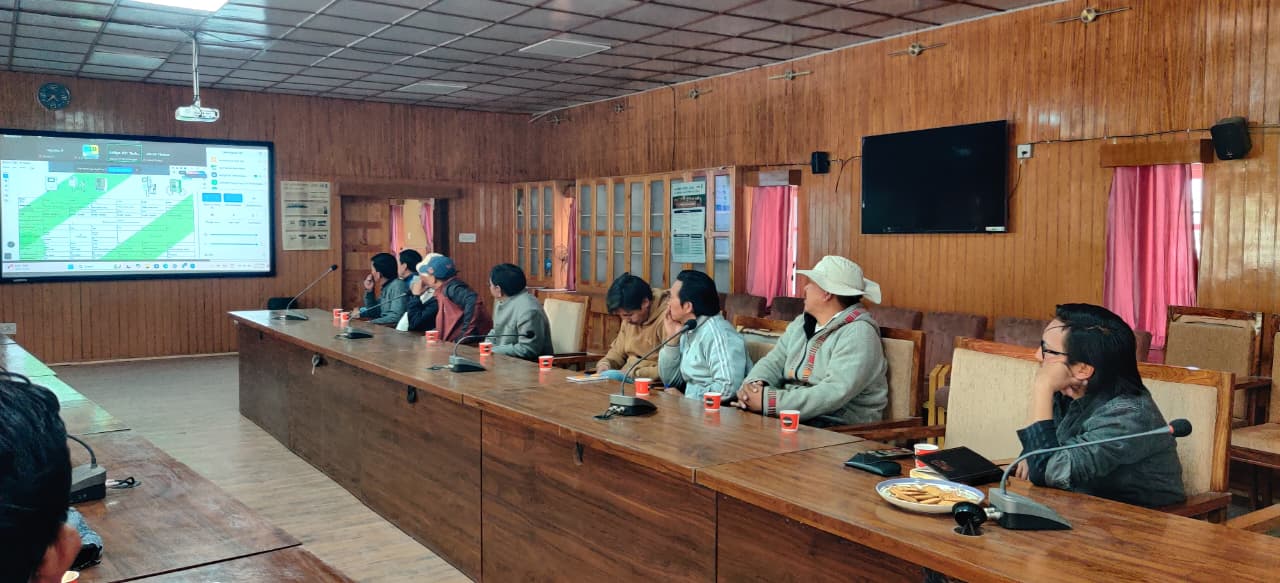
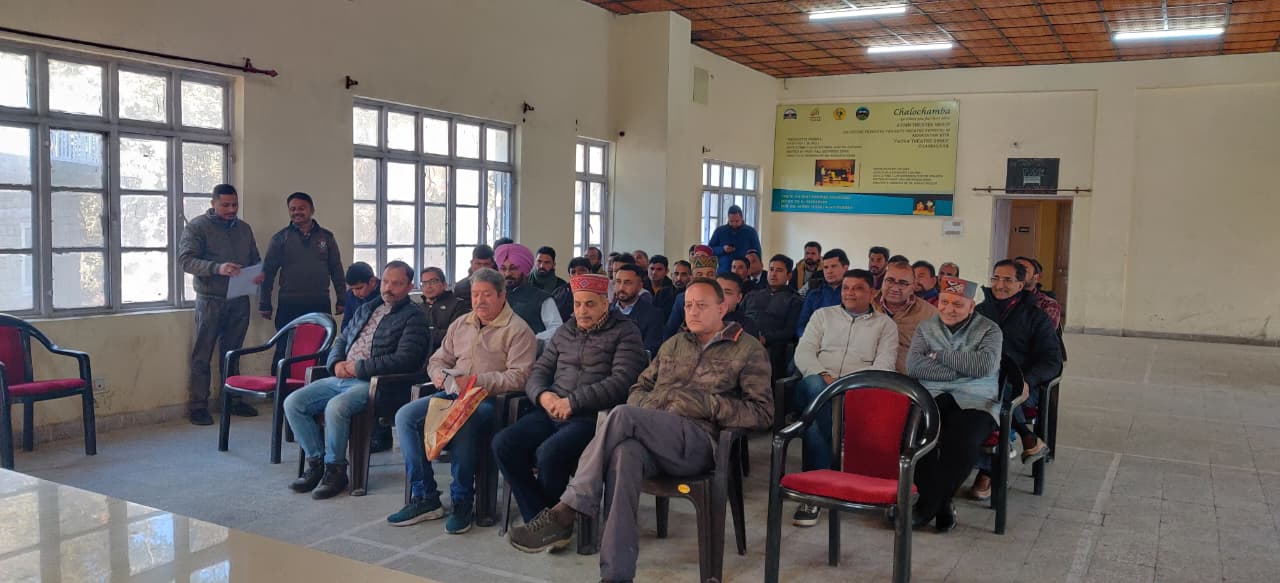
The Department of Transport, in collaboration with ICLEI South Asia, has been conducting EV sensitisation workshops across Himachal Pradesh to build awareness among tourism stakeholders, particularly hoteliers, on the benefits of EV adoption, charging infrastructure and the potential of EV-based tourism in eco-sensitive Himalayan regions. To date, seven workshops have been organised in Dharamshala, Manali, Solan, Kinnaur, Lahaul, Spiti and Dalhousie, engaging local hospitality actors, charge point operators, OEMs and key state departments to discuss local challenges and co-design EV-friendly tourism services. The sessions highlight how EVs can reduce tourism-related emissions, support climate resilience, and protect fragile mountain landscapes, while positioning hill destinations as green tourism hubs. Across locations, workshops also promoted hotel-based charging, link opportunities to the state’s emerging Green Corridor network, and showcased practical business models.
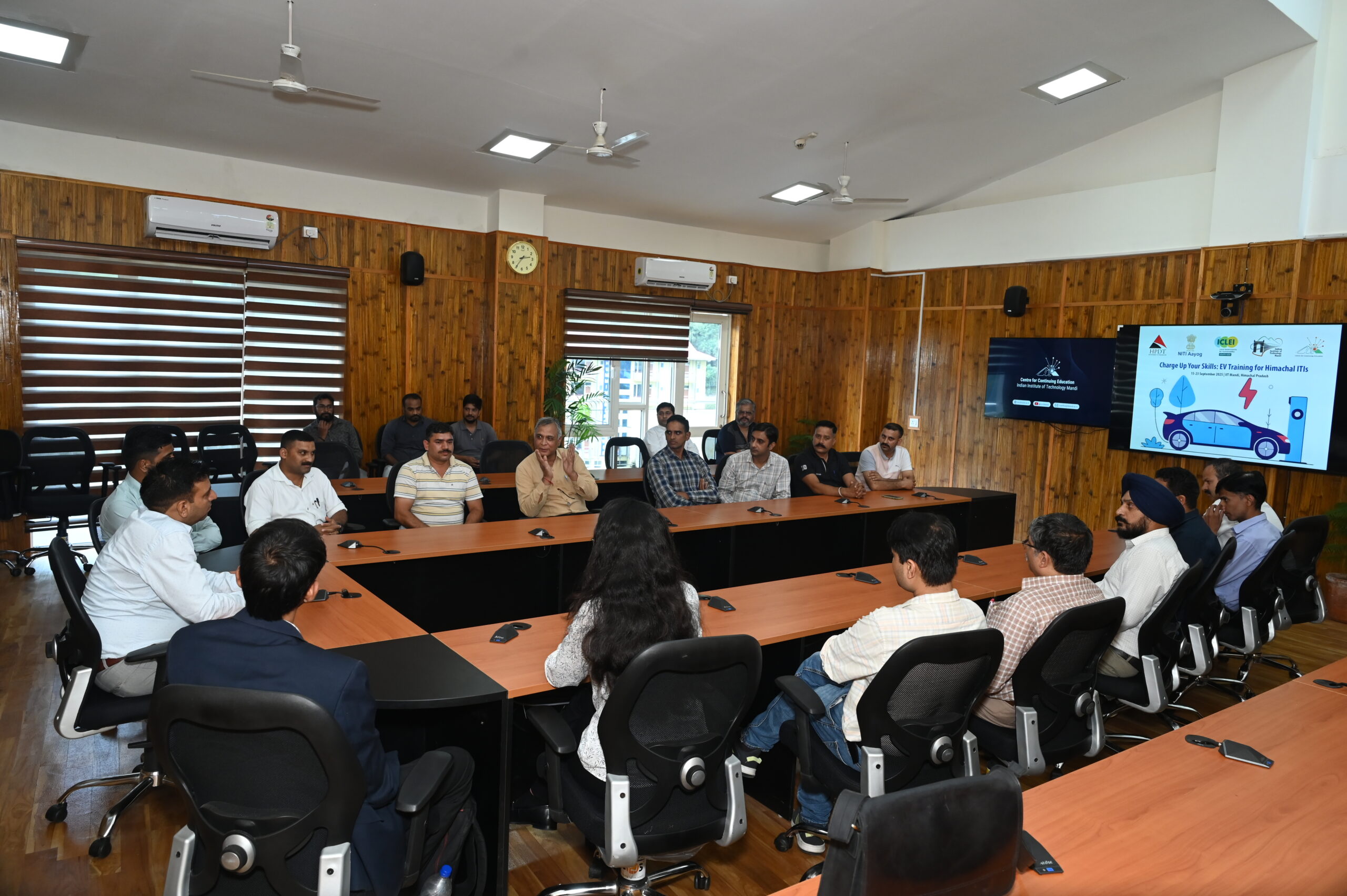
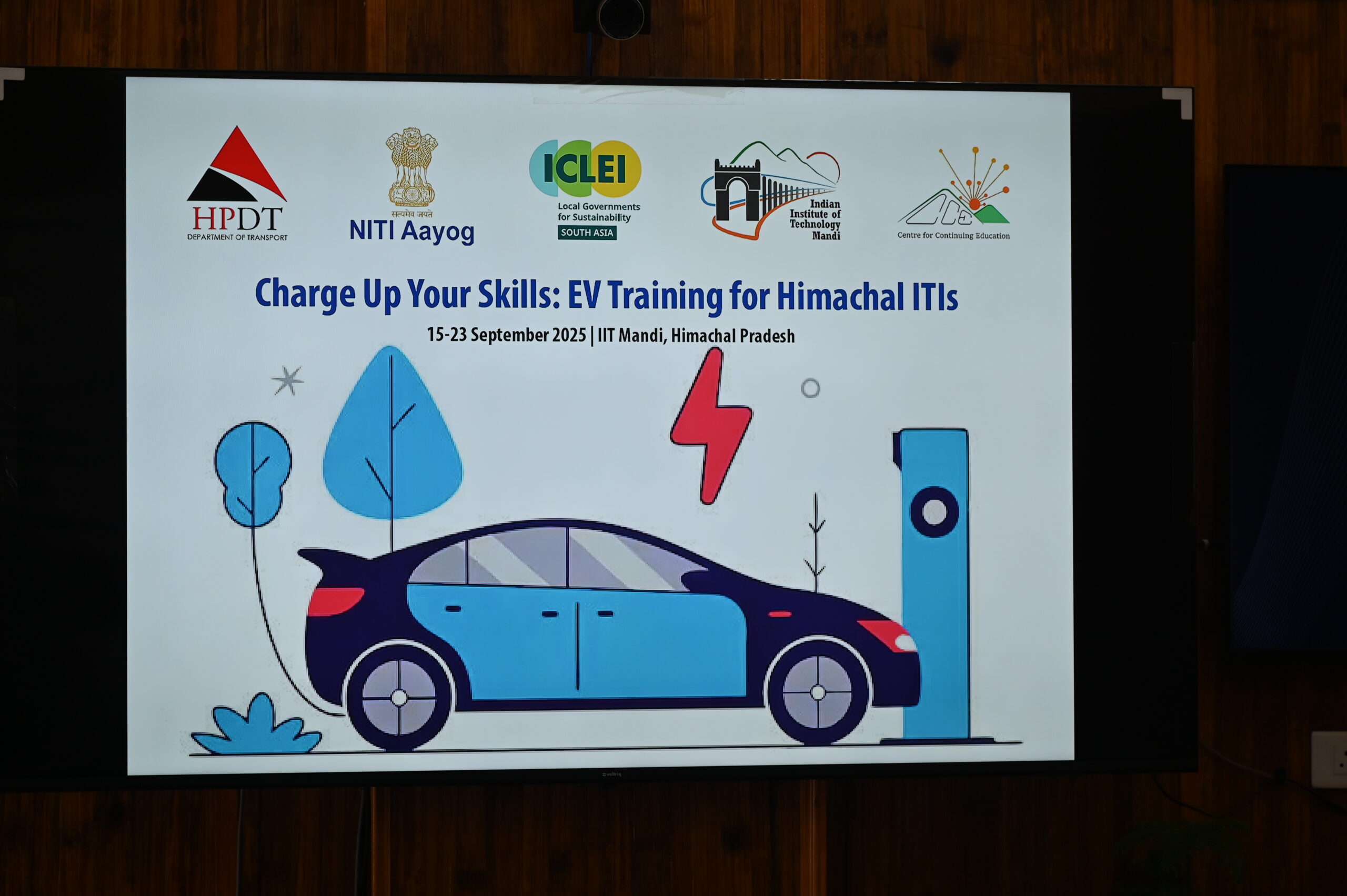
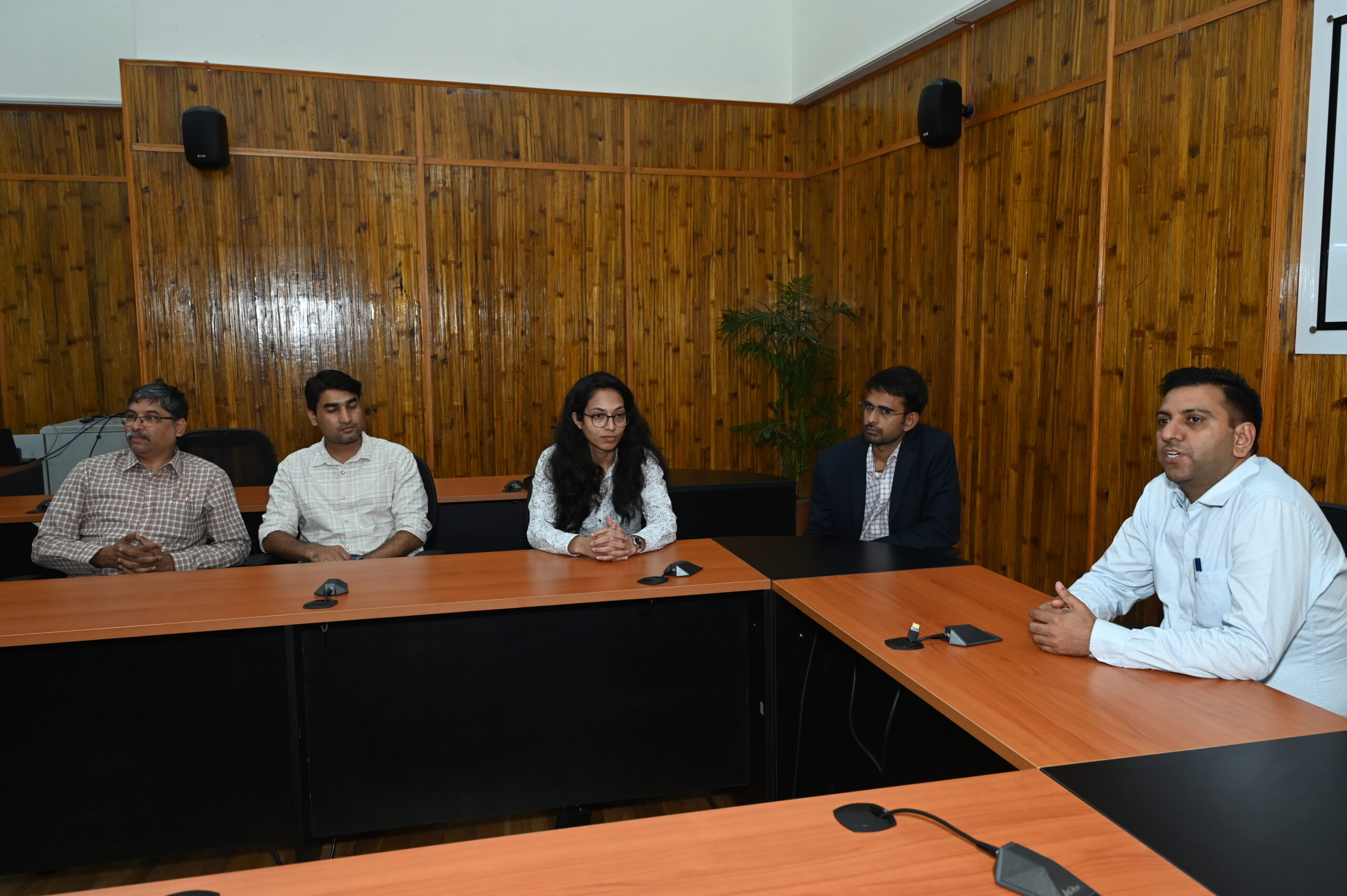
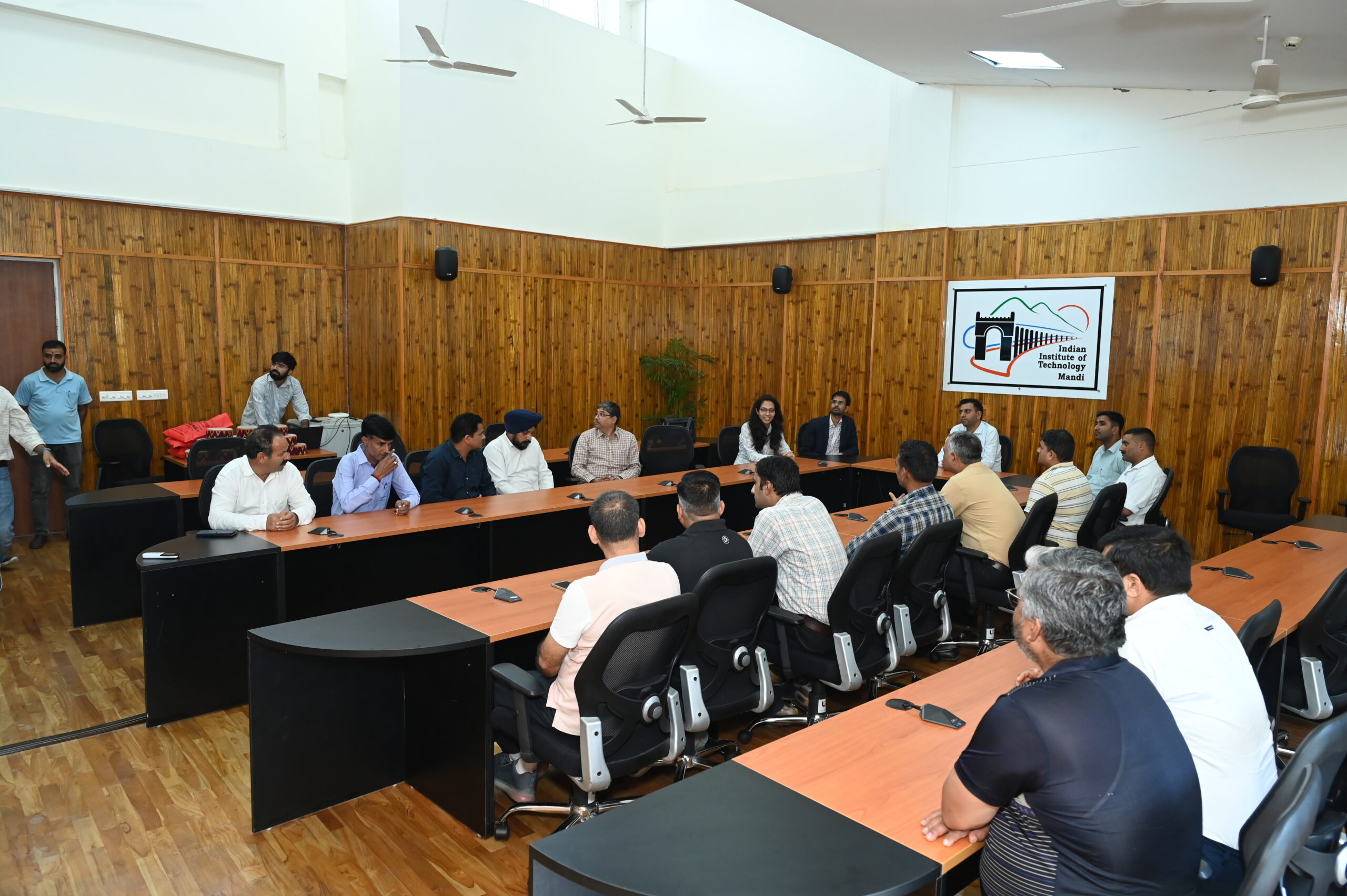
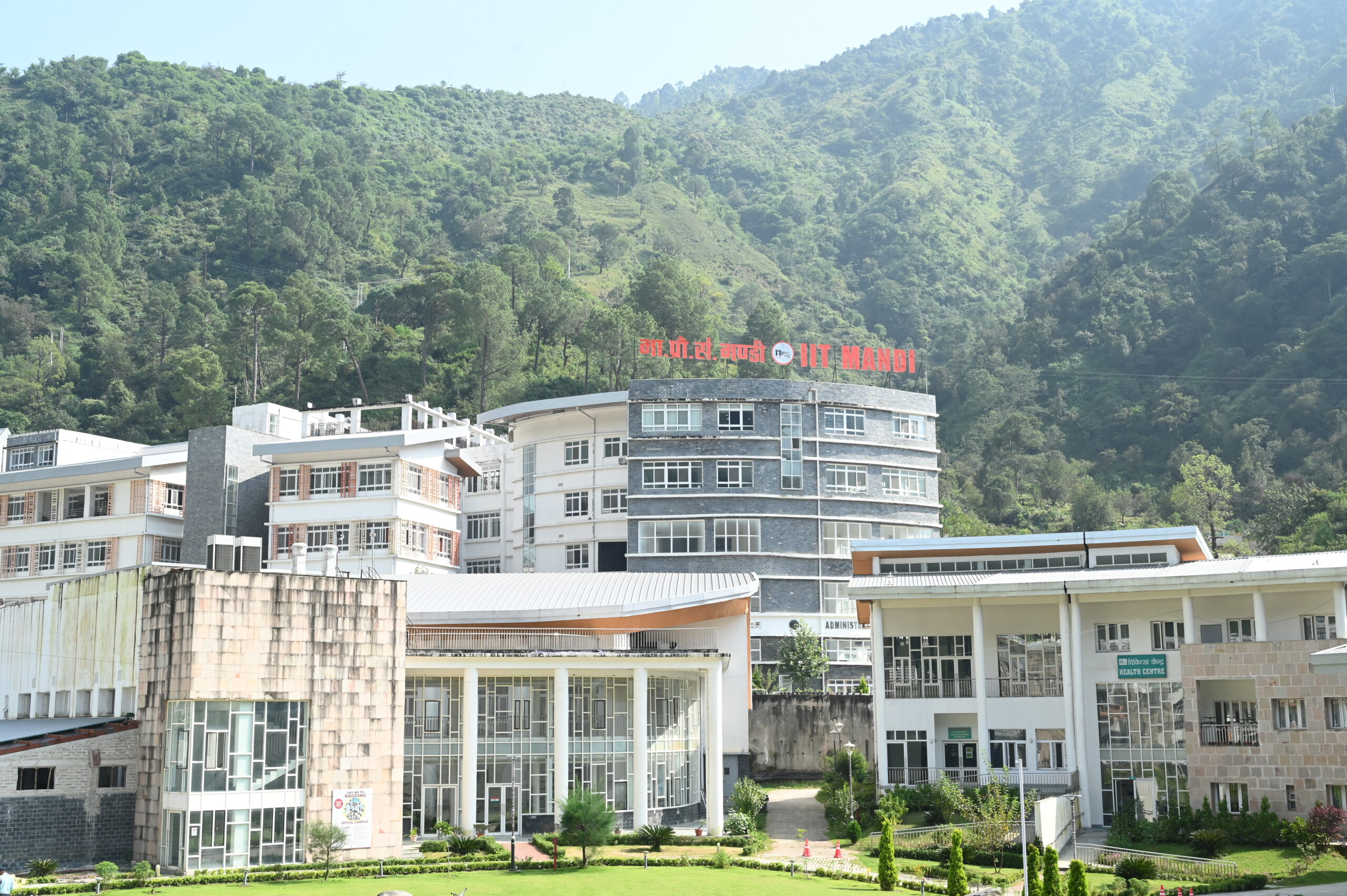
ICLEI South Asia, in partnership with the Himachal Pradesh Transport Department and IIT Mandi, recently conducted a week-long training for ITI instructors across the state to build technical capacity in EV and hybrid vehicle technologies. The programmes blended classroom theory with hands-on practical sessions covering EV architecture, battery systems, charging technologies, and maintenance. By empowering instructors with these critical skills, the initiative aims to strengthen the local workforce, support the growing EV ecosystem in Himachal Pradesh, and accelerate the state’s transition to clean and sustainable mobility.