


Electric vehicles (EVs) are vehicles that use chemical energy stored in a chargeable battery to power at least one electric motor. Battery EVs have zero tailpipe emissions. Charging EVs with renewable energy can lower energy costs while significantly reducing carbon emissions.
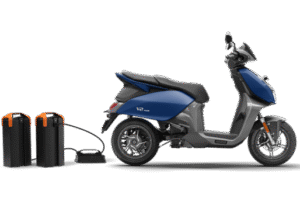
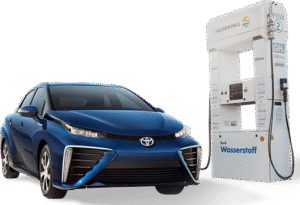

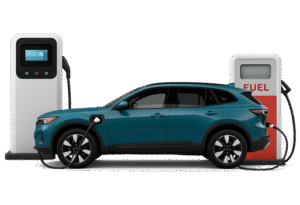
Keyword | BEV (Battery Electric Vehicle) | FCEV (Fuel Cell Electric Vehicle) |
|---|---|---|
Primary Energy Source and movement | Electricity stored in a rechargeable battery pack only. One or more electric motors use battery power for all driving. | Hydrogen stored in high-pressure tanks; is converted into electricity in a fuel cell. The electric motor is powered mainly by the fuel cell stack, with a small buffer battery. |
How You Refuel / Charge | Plug into a home charger or a public charging station (slow, fast or DC fast charging). | Refuel at a hydrogen station; refuelling time is similar to petrol/diesel (a few minutes). |
Tailpipe Emissions | Zero tailpipe emissions (no exhaust pipe gases). Overall climate impact depends on how electricity is produced, but studies show much lower life-cycle emissions than petrol cars. | Tailpipe emits only water vapour and heat; zero local air pollutants. Lifecycle emissions depend on how hydrogen is produced and transported. |
Typical Electric-Only Range and running cost/km | Wide range: roughly 150–500 km per charge for most modern cars, and higher range for some premium models; buses can be tailored for city duty cycles. Usually the lowest cost per km when charged at home or workplace, especially if tariffs for EVs are favourable | Car models typically 400–600 km on a full hydrogen tank; buses around 300–350 km per refuel. Can be low per km if hydrogen is affordable and produced locally; currently hydrogen fuel is often costly or limited. |
Upfront Vehicle Cost | Battery packs make BEVs more expensive than similar petrol cars, but prices are falling and many policies offer purchase incentives. | Currently the highest upfront cost due to fuel cell system and hydrogen tanks; mostly used in pilot fleets, buses, or niche markets. |
Maintenance & Complexity | Fewer moving parts than ICE vehicles, no engine oil; brakes last longer. Battery health and power electronics need monitoring. | Fuel cell stacks, hydrogen tanks and high-pressure components require specialised maintenance the mechanical drivetrain is simpler than ICE vehicles. |
Key Strengths and Suitability | Zero tailpipe emissions, quiet drive, high energy efficiency, lowest running cost where charging is convenient. Well suited for daily city and regional commuting, home/office charging,
urban buses, and municipal fleets. | Zero local emissions, fast refuelling, long range; with refuelling behaviour similar to a conventional cars. Potentially good for long-distance, high-utilisation fleets (buses, freight) where hydrogen refuelling stations are available. |
Keyword | HEV (Hybrid Electric Vehicle) | PHEV (Plug-in Hybrid Electric Vehicle) |
|---|---|---|
Primary Energy Source and movement | Petrol/diesel fuel; small battery supports the engine but is charged from fuel use and braking. Engine is primary; electric motor assists for better efficiency and low-speed driving. | Mix of grid electricity + petrol/diesel; larger battery can be charged from a plug as well as from the engine/regenerative braking. Can drive in pure electric mode for short distances; engine and motor work together on longer trips. |
How You Refuel / Charge | Refuel at normal petrol/diesel pumps; no external charging port. | Plug in to charge (home or public charger) and refuel at petrol/diesel pumps when needed. |
Tailpipe Emissions | Lower CO₂ and pollution than conventional petrol cars, but still combustion-engine based, so there are tailpipe emissions. | On short trips in electric mode, emissions can be low; on long trips or if rarely charged, emissions can approach those of regular petrol vehicles. |
Typical Electric-Only Range and running cost/km | Very short electric-assist only; mainly used for improving fuel economy, not for electric-only driving. Fuel cost per km is lower than conventional petrol cars, but clearly higher than BEV because all energy still comes from fuel. | Electric-only mode often 30–60 km; after that, behaves like an efficient petrol/diesel car. Per-km cost can be low if regularly charged and most trips are short, but closer to HEV/petrol costs if driven mostly on fuel. |
Upfront Vehicle Cost | Usually slightly higher than conventional cars, but cheaper than BEVs and FCEVs. | Upfront cost between HEV and BEV, as they contain both a full engine and a larger battery/charging hardware. |
Maintenance & Complexity | Contains a full engine + hybrid system; more complex than BEV, but technology is mature with established service networks. | Most complex (engine + large battery + charger); requires both ICE and EV-system servicing. |
Key Strengths and suitability | No lifestyle change (no charging), familiar driving experience, improved fuel efficiency over conventional petrol/diesel. Good “transition option” for users who want better fuel economy but do not have charging access. | Flexible: can run on electricity for city trips and on fuel for long distances; can reduce fuel use if charged and driven mainly in EV mode. Suitable for users with short daily commutes who can charge at home but also need flexibility for long trips. |
Electric vehicles (EVs) are much cheaper to use on a day-to-day basis because electricity typically costs less than petrol or diesel, and the vehicles Evs themselves are more energy efficient. With far fewer moving parts and slower wear on components such as brake pads, they need less frequent servicing. Together, the lower “fuel” costs and Simpler mechanics translate into substantial long-term savings for EV owners.
EVs have a much simpler drivetrain, with far fewer moving parts. They don’t need oil changes, exhaust system repairs, or complicated engine tuning, and regenerative braking reduces wear on brake components. As a result, annual servicing costs are lower, and owners save more over the full life of the vehicle.
EVs have zero tailpipe emissions, and therefore do not release harmful pollutants such as NOₓ, CO, or particulate matter—directly helping improve urban air quality and public health. When charged from an increasingly green grid, they also lower greenhouse gas emissions and support cities and countries in achieving their air quality standards and climate commitments.
Electric vehicles run almost silently because there’s no combustion engine under the hood. Electric motor is so quiet that you often have to look at the dashboard to confirm the car is actually on. In fact, EVs are so quiet that manufacturers deliberately add artificial sound at low speeds to ensure pedestrians can hear them and stay safe.
Some People Still Believe That Electric Vehicles Lack The Power Needed For Steep Inclines.
EVs Provide Instant Power As Soon As You Press The Accelerator. This Makes Them Well Suited for Hill Climbing. Electric Buses are successfully reaching Rohtang. Kufri, and Hatu Peak Every Day Without Any Problems.